Lawn Roller vs Aerator: Which One Should You Buy?
Lawn rollers and aerators compared on pressing versus opening soil, with a poly roller, a spike aerator and a core aerator from the listings reviewed.

On this page
Top picks at a glance
As an Amazon Associate I earn from qualifying purchases.
- 1
 Brinly PRT-482SBHC-A 48 in Tow-Behind Poly Lawn Roller9.8/10View on Amazon
- 2
 Brinly PA-482BH-A2 Tow Behind Plug Aerator with Universal9.7/10View on Amazon
- 3
 VEVOR Tow Behind Lawn Roller9.7/10View on Amazon
- 4
 Ohuhu Lawn Aerator Shoes with Stainless Steel ShovelView on Amazon
- 5
 ONECHOI 36 Inch Lawn RollerView on Amazon
- 6
 IDEALHOUSE 9.5 Gallon Tow-Behind Lawn RollerView on Amazon
- 7
 Outsunny 20-Inch Push/Tow Behind Lawn Roller 16 Gal Water orView on Amazon
- 8
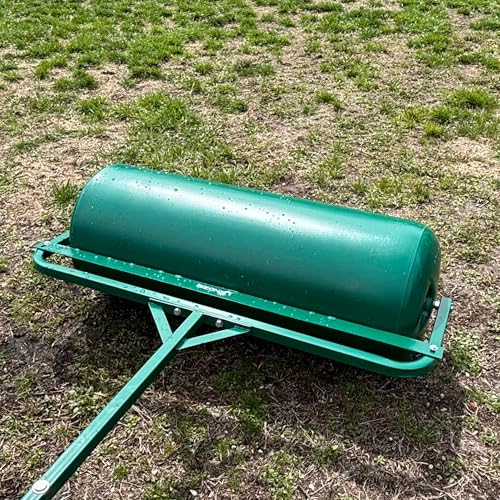 LandzieView on Amazon
- 9
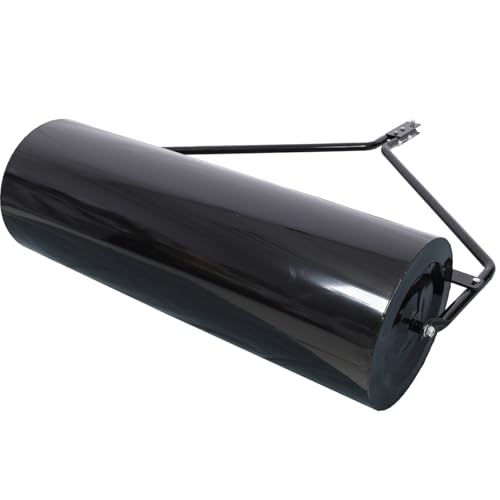 32 Gallon Lawn RollerView on Amazon
Verdict: Choose a lawn roller to press and level turf, settle seed and smooth bumpy ground. Choose an aerator to open holes so air, water and nutrients reach grass roots in compacted soil. They do different jobs, and a lawn that needs both needs both tools, not one in place of the other.
The lawn roller vs aerator question comes down to what the lawn needs. A roller presses down: it flattens, levels and firms the surface. An aerator opens up: it punches holes or pulls plugs so the soil underneath can breathe. This comparison covers the differences, then one roller and two aerators from the listings reviewed.
AcreMowerLab earns a commission when you shop through links here. It never changes your price. Affiliate disclosure.
| # | Product | Acre Score | Buy |
|---|---|---|---|
| 1 |  YITAMOTOR 18" x 24" Poly Lawn Roller | 9.6/10 | Buy on Amazon |
| 2 |  Lawnira Hollow Tine Core Aerator | 9.6/10 | Buy on Amazon |
| 3 |  Walensee 15-Spike Manual Aerator | 9.5/10 | Buy on Amazon |
YITAMOTOR 18" x 24" Poly Lawn Roller
A poly lawn roller for push and tow use, with a 270 lb capacity when filled, a threaded plug, rounded drum edges and a scraper bar.
Read the full review
The YITAMOTOR roller is the leveling tool in this comparison: an 18" x 24" poly drum with a threaded plug, filled with water or sand to reach a 270 lb working weight, then pushed by hand or hitched to a lawn tractor. Rounded drum edges help prevent turf damage during turns, and the integrated metal scraper bar clears debris from the drum as it works.
The two weight figures describe different states, not a contradiction: 270 lb is the working capacity when filled, while the spec table lists an item weight of 29.89 pounds, which reads as the empty drum. Drain the drum after use and it becomes lightweight for handling and storage.
Pros
- Push and tow operation for small lawns and larger areas
- 5.5mm thick poly drum with reinforced side ribs
- 270 lb working weight when filled with water or sand
- Rounded drum edges and scraper bar protect turf and clear debris
Cons
- Presses soil rather than opening it, so it does not relieve compaction
- Working weight depends on filling with water or sand
- Warranty is not stated on the listing
- 29.89 pound spec table weight is the empty drum, not the filled working weight
Lawnira Hollow Tine Core Aerator
A manual core aerator with hollow tines that pull plugs up to 4 inches deep, built from welded steel with a wide footplate and rubber grips.
Read the full review
The Lawnira tool is the deep aerator here: 3 heat-treated hollow tines that penetrate up to 4 inches deep, eject soil plugs without clogging, and can be replaced when worn. The welded steel frame uses a reinforced triangular structure, and the wide footplate lets body weight drive the tines into hard, dense clay or compacted soil.
The listing advises watering dry soil before use and avoiding rocking or twisting, which fits a plug tool worked step by step. The listing says its tall design lets the user stand upright while working, with a T-handle and soft, non-slip rubber grips for leverage.
Pros
- Hollow tines penetrate up to 4 inches deep for core aeration
- Non-clogging tines eject soil plugs and are replaceable
- Welded steel with a reinforced triangular structure
- 37-inch tall design with a wide footplate and soft rubber grips
Cons
- Manual step-by-step work, not for wide areas
- Warranty is not stated on the listing
- Penetration depends on soil: the listing advises watering dry soil before use
- Arrives semi-assembled, so some setup is needed
Walensee 15-Spike Manual Aerator
A manual spike aerator with 15 iron spikes for small-area lawn aeration, with a long handle, cushioned T-handle and foot pedal.
Read the full review
The Walensee tool is the light aerator in this comparison: a manual spike tool with 15 sturdy iron spikes, each about 2.8 inches long, in a three-row layout that covers more ground per step than single-row tools. A 34.6-inch handle, cushioned T-handle and foot pedal give leverage and help reduce bending, and the detachable design packs away after use.
Its limits are stated plainly: it suits small-area lawn care, spot aeration, narrow spaces and regular maintenance, and is not recommended for heavy sticky clay soil, rocky ground or large-scale jobs. For hard or dry soil, the listing says to water the lawn first to soften the ground.
Pros
- 15 iron spikes in a three-row layout cover more ground per step
- Spikes about 2.8 inches long loosen soil for air, water and nutrients
- 34.6-inch handle with cushioned T-handle and foot pedal for leverage
- Detachable design for easy assembly, carrying and storage
Cons
- Not recommended for heavy sticky clay soil, rocky ground or large-scale jobs
- Spike holes only, no plugs pulled
- Warranty is not stated on the listing
- Weight is not stated
Other machines to compare
 Ohuhu Lawn Aerator Shoes with Stainless Steel ShovelCheck price on Amazon
 ONECHOI 36 Inch Lawn RollerCheck price on Amazon
 IDEALHOUSE 9.5 Gallon Tow-Behind Lawn RollerCheck price on Amazon
 Outsunny 20-Inch Push/Tow Behind Lawn Roller 16 Gal Water orCheck price on Amazon
 LandzieCheck price on Amazon
 32 Gallon Lawn RollerCheck price on Amazon
Lawn roller vs aerator side by side
| Factor | YITAMOTOR Poly Roller | Lawnira Core Aerator | Walensee Spike Aerator |
|---|---|---|---|
| Type | Push and tow poly lawn roller | Manual core aerator with hollow tines | Manual spike aerator |
| Size | 18″ x 24″ drum | 37-inch tall tool | 34.6-inch handle |
| Working weight or depth | 270 lb capacity when filled | Up to 4 inches deep | Spikes about 2.8 inches long |
| Tines or spikes | None, smooth drum | 3 hollow tines, replaceable | 15 iron spikes, three-row layout |
| Best at | Leveling and smoothing turf | Clay soil and compacted soil | Small areas, edges and bare spots |
| Limit | Presses rather than opens soil | Manual step-by-step work | Not for heavy clay, rocky ground or large jobs |
| Warranty | Not stated | Not stated | Not stated |
Figures are manufacturer stated for the three example models, collected 1 November 2026.
Pressing down or opening up
A lawn roller works on the surface. The YITAMOTOR example is a poly drum that fills with water or sand to reach its working weight, then rolls over turf to level ground, with rounded drum edges to prevent turf damage during turns and a scraper bar that clears debris from the drum as it works. It suits smoothing, leveling and settling work on lawns, garden beds, ball fields and parks, pushed by hand on small ground or hitched to a lawn tractor on larger ground.
An aerator works below the surface. The Walensee example uses spikes to loosen soil and create small channels so air, water and nutrients reach roots more easily, while the Lawnira example uses hollow tines to pull soil plugs out of compacted ground. Both are manual tools worked on foot, not towed drums, and both work step by step.
What each one can do
A roller levels and firms: it presses seed into contact with soil, smooths bumps and flattens a lumpy lawn, but it does not relieve compaction underneath, because pressing down packs the surface further rather than opening it. A core aerator relieves compaction by pulling plugs out of the soil. A spike aerator only pokes channels: the Walensee listing says those channels let air, water and nutrients reach roots more easily, but poking holes removes no soil, so it does not relieve compaction the way pulling plugs does. An aerator does not level a lawn, because holes are the opposite of a flat surface. Where a lawn is both bumpy and compacted, use each tool for its own job rather than treating one as a substitute for the other.
Handling and size
The roller is the big tool here: a drum that fills to its working weight and drains to become lightweight for handling and storage. The aerators are hand tools: the Walensee tool has a long handle with a cushioned T-handle and a foot pedal, and the Lawnira tool stands tall with a T-handle, soft rubber grips and a wide footplate. A roller covers open ground behind a tractor; the aerators cover ground step by step, with the Walensee tool suited to small areas, edges and bare spots.
Upkeep
A poly roller needs its plug and drum checked: fill through the threaded plug, check the seal, drain after use for light storage. The poly drum resists denting, rust and corrosion in the listing’s words. The aerators need their spikes or tines kept clean: the Lawnira tines are replaceable and eject plugs without clogging, while the Walensee spikes are iron in a three-row layout. No listing here states a warranty.
The three examples
Acreage and terrain fit
YITAMOTOR Poly Roller
Lawnira Core Aerator
Walensee Spike Aerator
The Acre Score explained
The Acre Score weighs five factors: performance (what the tool can do and how well it covers ground), build quality (drum, spikes, tines, handle and frame), value (what comes in the box), safety (certifications or operator controls the listing states) and warranty (years and coverage). A factor the listing does not state scores zero, which is why all three examples score zero for warranty and safety.
| Product | Acre Score | Perf. /35 | Build /25 | Value /25 | Safety /10 | Warranty /5 |
|---|---|---|---|---|---|---|
| YITAMOTOR Poly Roller | 9.6 | 30 | 21 | 20 | n/a | 0 |
| Lawnira Core Aerator | 9.6 | 29 | 21 | 20 | n/a | 0 |
| Walensee Spike Aerator | 9.5 | 26 | 20 | 19 | n/a | 0 |
Scores run from 9.2 to 9.8: each product’s point total is placed on that range, so more points always means a higher score. Safety counts only for powered gear or where the listing states safety features; where it does not apply, the score is taken over the remaining 90 points.
Many owners on acreage keep both kinds: a roller for leveling and seed work, and a manual aerator for compacted patches and edges. If the lawn needs wide aeration, see our tow-behind aerator picks for tractor-drawn plug aerators.
Stay within the towing capacity and hitch weight your mower manual lists, and add weight slowly. Loaded carts and spreaders push a mower downhill, so take slopes straight up and down at low speed. Keep riders off carts and keep bystanders clear while you tow. Read our Safety Disclaimer.
FAQ: mowing large lots
Can a lawn roller aerate a lawn?
No. A roller presses and levels the surface; it does not punch holes or pull plugs. For compaction, use a core aerator, which pulls plugs out of the soil.
Can an aerator level a bumpy lawn?
No. An aerator opens holes, which is the opposite of leveling. For bumps and uneven ground, a roller firms and smooths the surface after the underlying problem is handled.
Spike aerator or core aerator: which one for clay soil?
The Walensee spike tool is not recommended for heavy sticky clay soil, rocky ground or large-scale jobs, while the Lawnira core tool is made for clay soil and compacted soil, with hollow tines that pull plugs. For clay, the core aerator listing makes the stronger stated case.
How deep do these aerators go?
By listing: the Lawnira core aerator penetrates up to 4 inches deep with hollow tines. The Walensee listing states spike length of about 2.8 inches, not a penetration depth, so the two figures are not the same measure and cannot be compared as depths.
Do I need both a roller and an aerator?
Only if the lawn needs both jobs. A lawn that is bumpy but not compacted needs a roller; a lawn that is compacted but level needs an aerator. A lawn that is both needs both, each for its own job.
More mowing guides
- Best Lawn Roller (2026): 5 Top Picks Compared
- Best Tow-Behind Aerator: 4 Plug Aerators for 1 to 10 Acres
- Best Lawn Roller for Packing Topsoil (2026)
Use the Mower Matcher to narrow down choices by acreage, terrain, budget, and power type.