Drip Irrigation vs Sprinkler: Which One Should You Buy?
Drip irrigation vs sprinkler, compared on where each one fits: drip tubing and emitters for beds and rows, a hose timer for the schedule, and sprinklers for open lawn.

On this page
Top picks at a glance
As an Amazon Associate I earn from qualifying purchases.
- 1
 Rachio 3 Smart Sprinkler WiFi Irrigation Controller9.6/10View on Amazon
- 2
 Rain Bird LG-3 Impact Sprinkler9.7/10View on Amazon
- 3
 Rain Bird AG-5 Impact Sprinkler9.6/10View on Amazon
- 4
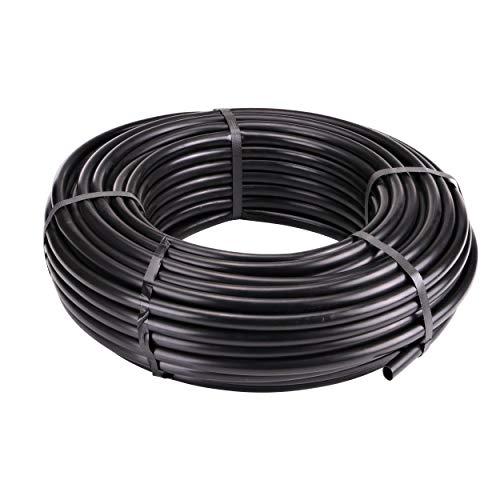 Raindrip 052020P 1/2-Inch Drip Irrigation Water Supply TubingView on Amazon
- 5
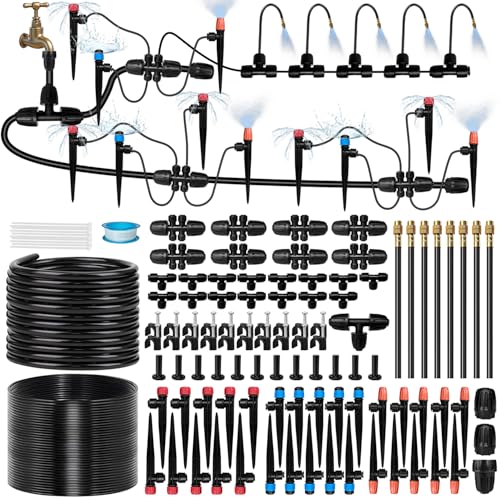 230FT Drip Irrigation System for Garden with 38pcs AdjustableView on Amazon
- 6
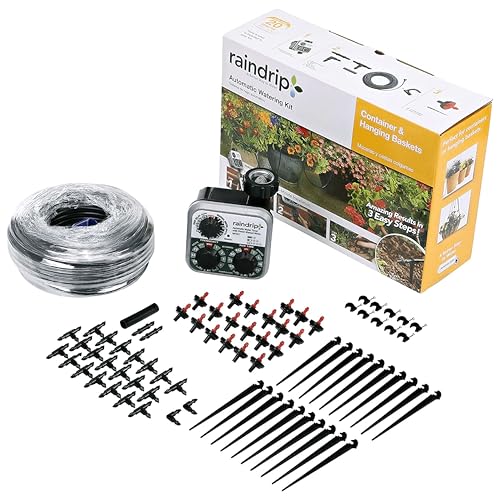 Raindrip R560DP Drip Watering SystemView on Amazon
- 7
 120Ft 1/4" Drip Irrigation System for GardenView on Amazon
- 8
 Orbit 6-Station Indoor/Outdoor Swing Panel Sprinkler SystemView on Amazon
- 9
 Orbit 4-Station Indoor/Outdoor Swing Panel Sprinkler TimerView on Amazon
For a lawn that needs even cover, a sprinkler does the job, and for beds and rows where water should land at the base of each plant, drip irrigation does it instead. Drip irrigation vs sprinkler is less a contest than a choice of where the water should go, and the gear in this guide shows both sides: drip tubing and emitters for beds, and a hose timer that can run either system on a schedule.
Other machines to compare
 Raindrip 052020P 1/2-Inch Drip Irrigation Water Supply TubingCheck price on Amazon
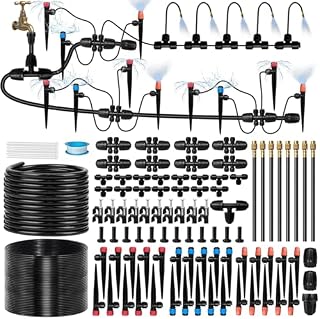 230FT Drip Irrigation System for Garden with 38pcs AdjustableCheck price on Amazon
 Raindrip R560DP Drip Watering SystemCheck price on Amazon
 120Ft 1/4" Drip Irrigation System for GardenCheck price on Amazon
 Orbit 6-Station Indoor/Outdoor Swing Panel Sprinkler SystemCheck price on Amazon
 Orbit 4-Station Indoor/Outdoor Swing Panel Sprinkler TimerCheck price on Amazon
AcreMowerLab earns a commission when you shop through links here. It never changes your price. Affiliate disclosure.
Drip irrigation vs sprinkler: pick the right setup
| Setup | Best for | Limit |
|---|---|---|
| Drip tubing | Beds, rows, pots and shrubs | Waters a narrow line, so plan the layout first |
| FULAIERGD drip emitters | Pots, trees and shrubs on 1/4 in tubing | Spray diameters run 0 to 10 feet, so set each emitter near its plant |
| RAINPOINT hose timer | Any hose-fed watering on a schedule | 1 outlet, so it runs one line at a time |
| Sprinkler on a hose | Open lawn | Covers a wide area, so it suits grass more than beds |
A property with both beds and lawn can use both: drip for the beds and a sprinkler for the lawn. Our soaker hose vs sprinkler comparison covers the middle ground.
The gear in this guide
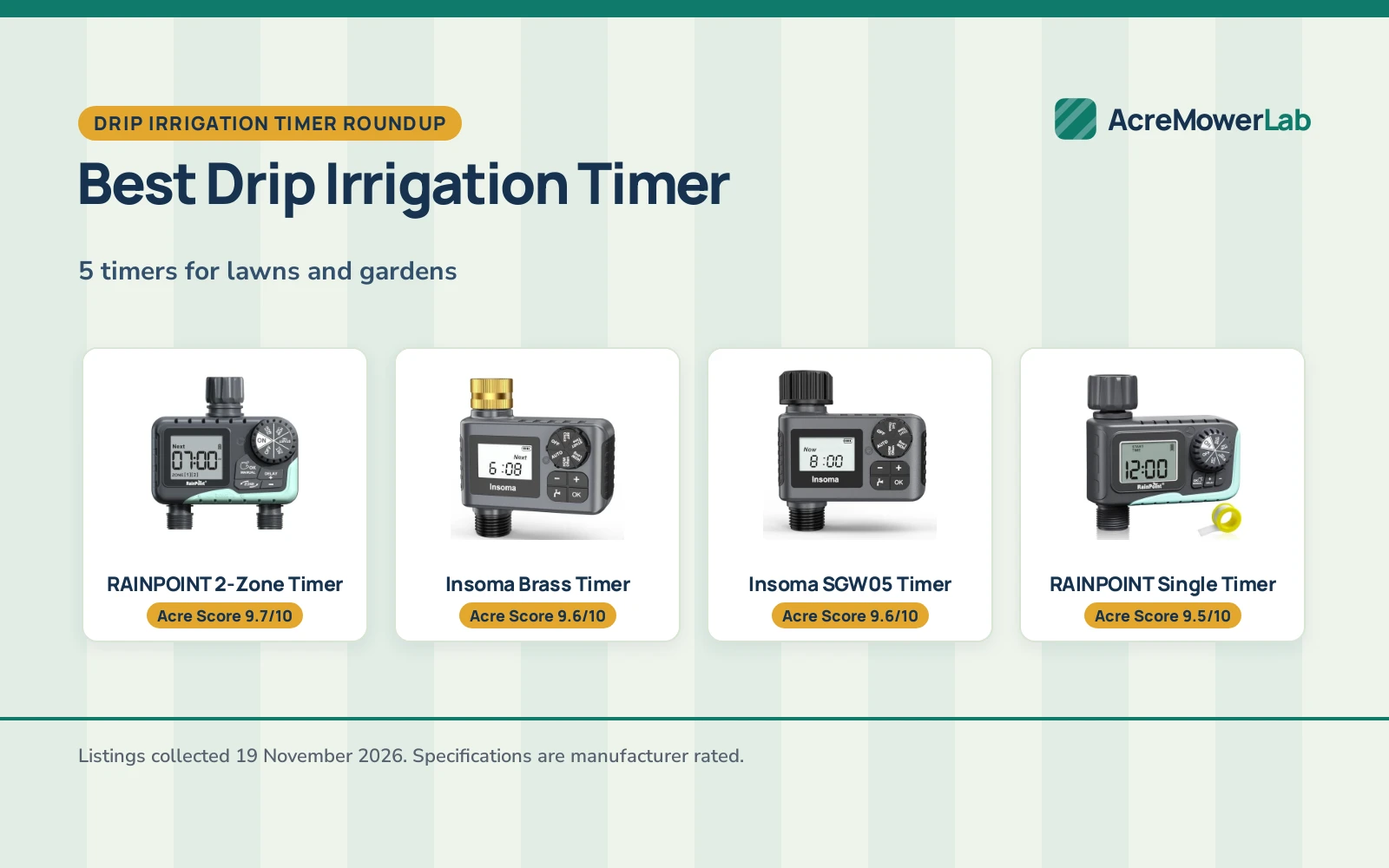
RAINPOINT sprinkler timer. The timer handles the schedule for this group: its listing states the full schedule: start time, watering duration from 1min to 3h59min, and watering frequency from 1h to 12h or 1 day to 7 days. Rain delay pauses the schedule for 24, 48, or 72 hours and then resumes it, and manual mode waters from 1 min to 8 hrs without interrupting the schedule. It has 1 outlet, a big LCD screen, and runs on 2 AA alkaline batteries, not included. It weighs 0.5 pounds and carries a 1 year warranty.
Raindrip 1/4 in drip tubing, 100 ft coil. The coil makes a feeder line that supplies water to a low-flow drip device, or a main line in a small drip system for trees, shrubs, flower beds, groundcover, vegetable gardens and planters. It connects with a 1/4 in barbed connector on the supply end and an emitter on the other end. The outside diameter is 0.250 in. and the inside diameter is 0.170 in. The tubing uses a layered build, with the outer layer and the inner layer made of 100% virgin content and the middle layer made of recycled content. It weighs 1.05 pounds, and Raindrip gives a 1-year, 100% satisfaction guarantee.
Rain Bird 1/4 in drip tubing, 250 ft roll. The longer roll suits a bigger bed or a run with more emitters. It works as the main line in a small drip system or branches off larger 1/2 in drip tubing to micro-watering devices. The outside diameter is 0.25 in., the inside diameter is 0.17 in., and the wall thickness is .04 in. Operating pressure is 0 to 70 psi. The listing states a textured finish for handling, extra flexibility for kink-free installation, and resistance to chemicals, algae growth and UV damage. It is designed for underground or above-ground installation.
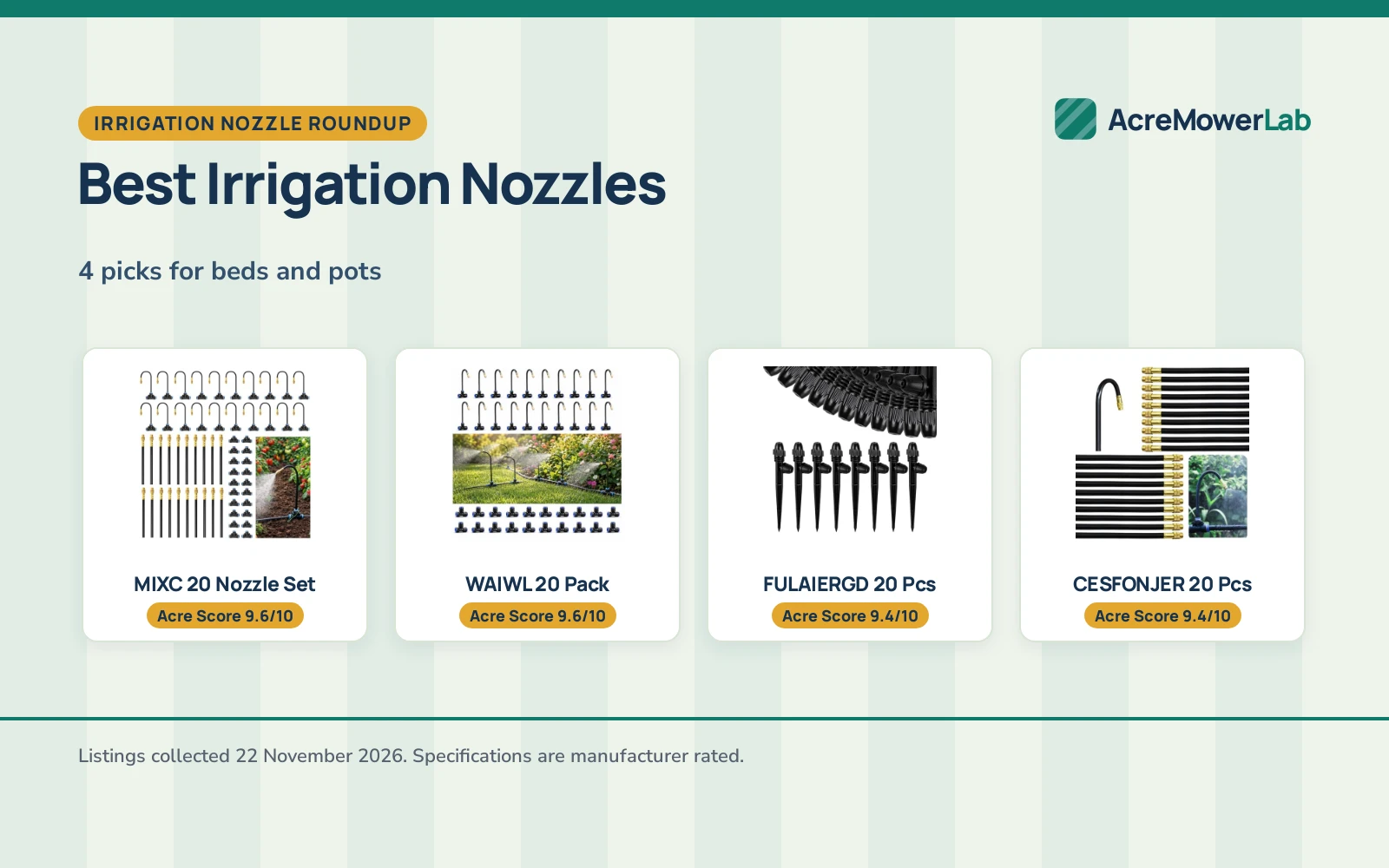
FULAIERGD drip emitters, 50 pieces. The set gives 50 adjustable 360-degree drippers on a 5.5 in arrow stake, for 1/4 in tubing. Spray diameters run from 0 to 10 feet, and the cap rotates to adjust the flow mode and sprinkling distance, or to close the emitter. They fit irrigation tubing from 4mm inner to 7mm outer, and the listing states a maximum recommended operating pressure of 40 psi and a maximum water flow rate of 18GPH. The wide water passages and spacious cross-section minimize the risk of clogging, and the emitters suit grow bags, pots, containers, greenhouses, trees, shrubs and nurseries.
Step 1: decide where the water should go
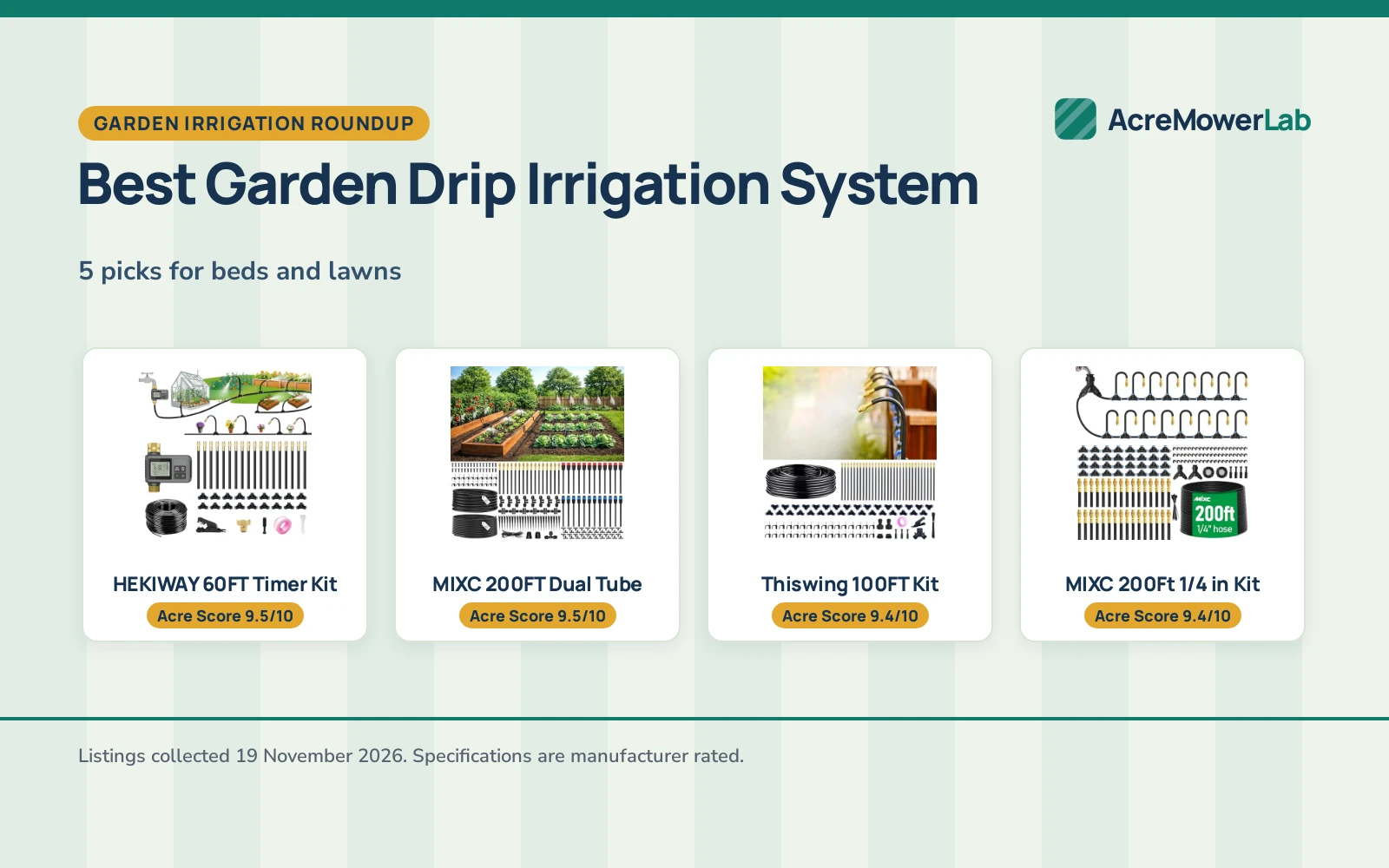
Walk the property and sort it into lawn and beds. Lawns want a sprinkler that covers a wide area, while beds, rows, pots and shrubs want drip lines that put water at the base of each plant. The Raindrip listing names trees, shrubs, flower beds, groundcover, vegetable gardens and planters as drip ground, and the Rain Bird listing names garden, flower bed, ground cover and landscaped areas.
Step 2: lay the lines
Run 1/4 in tubing from the supply to the beds. The Raindrip coil gives a 100 ft run with an outside diameter of 0.250 in. and an inside diameter of 0.170 in., and the Rain Bird roll gives a 250 ft run with an outside diameter of 0.25 in. and an inside diameter of 0.17 in. Connect the tubing to the main supply line with a 1/4 in barbed connector, and branch off larger 1/2 in drip tubing where the Rain Bird listing describes that layout. The Rain Bird tubing unrolls and stakes easily, and its textured finish makes connections faster.
Step 3: set the emitters
Push a FULAIERGD emitter on its 5.5 in arrow stake into the soil near each plant, on 1/4 in tubing. The set holds 50 emitters, each adjustable through 360 degrees, with spray diameters from 0 to 10 feet. Rotate the cap to set the flow mode and sprinkling distance for each spot, and close any emitter that sits over bare soil. Keep the operating pressure at or under the stated 40 psi maximum for the emitters, inside the 0 to 70 psi range the Rain Bird tubing allows.
Step 4: set the schedule
Put the RAINPOINT timer on the hose outlet and set the start time, the watering duration from 1min to 3h59min, and the frequency from 1h to 12h or 1 day to 7 days. Use the rain delay of 24, 48, or 72 hours after rain so the schedule pauses and then resumes on its own. For a one-off watering, manual mode runs from 1 min to 8 hrs without interrupting the schedule. The timer takes 2 AA alkaline batteries, not included, and shows the power on its big LCD screen.
Match the setup to the season
Drip lines suit spring planting and summer beds, when each plant needs steady water at its base. A sprinkler suits a lawn through the dry months, when the whole surface needs cover. In fall, the same timer can shorten the schedule as growth slows. Store the timer where it stays dry over winter, and drain above-ground lines before a freeze.
Safety
Keep hose connections tight so water stays in the lines and off walkways, and keep the timer and its batteries dry. Check local watering rules before setting a schedule, since many areas limit watering days or hours. Run drip lines and sprinkler hoses where mowers and foot traffic will not catch them, and shut the supply off before moving or adjusting any fitting.
FAQ: mowing large lots
Can I run drip irrigation on a timer?
Yes. The RAINPOINT timer has 1 outlet and sets a start time, a watering duration from 1min to 3h59min, and a frequency from 1h to 12h or 1 day to 7 days, with a rain delay of 24, 48, or 72 hours and a manual mode from 1 min to 8 hrs.
How long a run of drip tubing can I use?
The listings sell a 100 ft coil from Raindrip and a 250 ft roll from Rain Bird, both in 1/4 in tubing. Neither listing states a maximum run length, so treat the coil and the roll as the lengths sold, not as a limit. The Raindrip coil suits a small system, and the Rain Bird roll suits a bigger bed or a run with more emitters.
What pressure do drip emitters need?
The FULAIERGD emitters state a maximum recommended operating pressure of 40 psi and a maximum water flow rate of 18GPH. The Rain Bird tubing they connect to is rated for 0 to 70 psi, so the emitters set the limit, not the tubing.
Can drip tubing go underground?
The Rain Bird listing says its tubing is designed for underground or above-ground installation. The Raindrip listing describes its coil as a feeder line or a main line in a small drip system, without stating burial.
Do drip emitters fit my tubing?
The FULAIERGD emitters fit 1/4 in tubing, with a stated range from 4mm inner to 7mm outer and a 4-7mm watering system. They connect without hot water or barbs, and the wide water passages minimize the risk of clogging.
More mowing guides
- Soaker Hose vs Sprinkler: Which One Should You Buy?
- Pop Up Sprinkler vs Impact Sprinkler: Which One Should You Buy?
For sprinkler heads, see our pop up sprinkler vs impact sprinkler guide.