How Often Should You Sharpen Mower Blades?
A practical guide to mower blade sharpening frequency: signs of dull edges, inspection routines, seasonal timing and tools to restore a clean cut.

On this page
Top picks at a glance
As an Amazon Associate I earn from qualifying purchases.
- 1
 GICOOL GY20850 42 in Mulching Blades for John Deere9.5/10View on Amazon
- 2
 116-6358-03 Mower Blades Replacement for Toro TimeMaster 309.4/10View on Amazon
- 3
 Grasscool 42 in 3-in-1 Mulching Blades for Craftsman9.3/10View on Amazon
- 4
 GICOOL 942-0741A 21 Inch Mower Mulching Blades for Troy BiltView on Amazon
- 5
 EGO POWER+ 21" Mulching Blades for Electric Lawn MowersView on Amazon
- 6
 532138971 Mower Blades for Craftsman/HU/Pou LAN 42" LawnView on Amazon
- 7
 3 Pack 532180054 Lawn Mower Blades with 532193003 BoltsView on Amazon
- 8
 GICOOL 91-626 Blades for Scag Ferris Bad Boy 61" ZTR MowersView on Amazon
- 9
 Hipa 532405380 46 Inch Mower Blades Replace for 405380View on Amazon
How often should you sharpen mower blades depends on your mowing conditions and grass growth, but acreage owners should inspect edges regularly and sharpen whenever grass tips look frayed, after striking ground debris, and at the start of every spring mowing season. Instead of relying on a rigid calendar, check the cut quality across your lawn and examine the blade steel for rounded shoulders, roll-over burrs, or stone nicks. Maintaining sharp cutting edges preserves turf vigor, reduces engine workload, and leaves a neat, uniform surface across large acreage.
Other machines to compare
 GICOOL 942-0741A 21 Inch Mower Mulching Blades for Troy BiltCheck price on Amazon
 EGO POWER+ 21" Mulching Blades for Electric Lawn MowersCheck price on Amazon
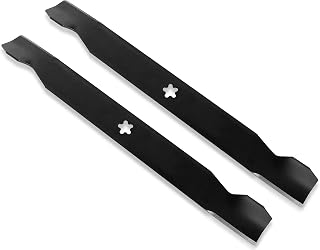 532138971 Mower Blades for Craftsman/HU/Pou LAN 42" LawnCheck price on Amazon
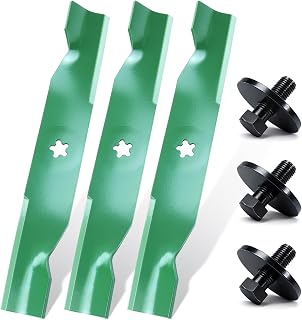 3 Pack 532180054 Lawn Mower Blades with 532193003 BoltsCheck price on Amazon
 GICOOL 91-626 Blades for Scag Ferris Bad Boy 61" ZTR MowersCheck price on Amazon
 Hipa 532405380 46 Inch Mower Blades Replace for 405380Check price on Amazon
AcreMowerLab earns a commission when you shop through links here. It never changes your price. Affiliate disclosure.
How often should you sharpen mower blades: key signs and timing
| Sharpening tool | Best for | Limit |
|---|---|---|
| Hand file with angle guide | Quick edge touch-ups on mounted or removed blades without heat buildup | Requires manual effort and slower on deep gouges |
| Diamond sharpening stone | Fine edge honing, deburring, and touch-ups without oil or water | Slower material removal on severely rounded edges |
| Drill-mounted rotary stone | Fast edge restoration on removed blades with a standard power drill | Requires steady control and consistent drill speed |
| Bench-mounted angle grinder jig | Precise bevel repeatability across multiple blade sets in a workshop | Requires a workbench, angle grinder, and blade removal |
Most acreage owners keep a hand file for quick touch-ups and use a bench jig or rotary sharpener between seasons. See our mower blade sharpener guide for dedicated workshop options.
Step 2: inspect the grass tips after mowing
The clearest sign that mower blades require sharpening appears on grass tips a day after mowing. A sharp blade slices cleanly through grass stems like scissors. When the cutting edge grows blunt, the blade impacts and tears grass stems instead of cutting them. Torn stems shred along the tips, leaving ragged fibers that dry out and bleach in the sun, creating a whitish or brownish cast across the lawn surface.
Torn leaf tips lose moisture rapidly, increasing plant stress during hot weather. Inspect several grass blades across your acreage after mowing. If the cut ends are clean and straight, the edges remain sharp. If the leaf ends appear shredded, frayed, or stringy, sharpen the blades before your next mowing pass.
Step 3: check the blade edge for nicks and rollover
Direct physical inspection of mower blades confirms what you observe on the lawn. Before checking the cutting deck, ensure the machine cannot start by disconnecting the spark plug wire on gas models or removing the safety key and battery pack on electric units. Set the parking brake and chock the wheels on level ground.
To access the deck on a lawn tractor or zero-turn, use ramps or a dedicated jack rather than crawling underneath unsupported equipment. See our guide on a lift for working on lawn mower maintenance.
Wear heavy leather work gloves when handling cutting edges. Inspect the cutting bevel on each blade under bright light. Feel along the bevel edge for roll-over, where metal has rolled away into a blunt lip. Look for gouges and dents caused by hidden gravel, roots, or sticks. Minor dulling can be honed out, but visible gouges require filing or grinding back to solid steel.
Step 4: balance sharpening with mowing conditions
Sharpening frequency varies based on soil type, grass density, and terrain hazards. Lawns on sandy soil dull mower blades faster than lawns on loam, because sand drawn into the deck airflow acts like an abrasive blast against spinning steel. Mowing dry or dusty acreage accelerates edge wear significantly.
Obstacles such as gravel driveways, surface roots, gopher mounds, and fallen twigs take an immediate toll on sharp edges. An impact with a hidden stone can blunt a fresh edge instantly. Properties with rough field edges or perimeter tree lines require more frequent blade inspections than manicured turf. Keeping a spare pair of sharpened blades in your shop allows swapping fresh blades onto the deck immediately, avoiding mowing delays.
Step 5: restore the bevel angle and check balance
When restoring blade bevels, the goal is sharpening the edge while preserving the original steel profile and blade balance.
- Bevel angle: match the factory edge angle rather than making it razor thin.
- Balance: verify blade balance on a cone or nail before reinstalling.
- Honing: remove wire burrs along the flat bottom side with a fine stone.
- Blade life: replace blades when wear reaches the sail or lift wing.
When blades develop severe cracks, deep gouges from rocks, or thin sails from repeated grinding, sharpeners cannot make them safe. In those situations, install replacement cutting edges from our cheap lawn mower blades review.
Inspect for bend and blade balance
A sharp blade that is out of balance can cause severe damage to your mower. Uneven metal removal during filing or grinding leaves one side of the blade heavier than the other. Spinning at high operational speed, an unbalanced blade produces severe vibrations that wear out spindle bearings, crack deck weldments, loosen hardware, and cause uneven cutting heights.
Always verify balance using a wall-mounted cone or magnetic balancer before mounting the blade back on the spindle. If one blade wing drops, remove additional metal from the cutting bevel of the heavy side until the blade hangs level. Calsoling packages 1 balancer with its rotary drill sharpeners, which measure 50 by 47 mm (1.97 by 1.85 inches) with a stainless steel base. For drill-mounted rotary sharpeners, IRONHIT notes that rotary corundum sharpening stones are designed to operate around 4000 RPM on electric drills to grind blunt edges effectively.
Check that the blade remains straight along its length. Measure the distance from the cutting tip to the bottom lip of the mower deck, then rotate the blade until the opposite tip reaches the exact same deck location. A difference between tips indicates a bent blade that must be replaced immediately.
Match sharpening method to blade type
Different mower blade profiles require tailored sharpening methods to maintain aerodynamic lift and cutting efficiency. Standard high-lift blades feature a straight cutting edge with an upturned rear sail to create airflow for discharge and bagging. Mulching blades incorporate curved or stepped cutting edges with specialized teeth or baffles that circulate clippings under the deck.
SporGain states its adjustable sharpener frame accommodates blade angles from 15° to 45° and fits mower blades from 1.65 to 3.60 inches wide, supporting standard straight, mulching, and high-lift profiles. Matching the sharpener angle to the existing factory bevel prevents removing excess metal and preserves blade life. For manual edge maintenance, SHARPAL states its 121N sharpener includes 20° angle guides on both sides, with a coarse 325 grit (45 micron) diamond coating for rapid edge setting and an extra fine 1200 grit (12 micron) surface for honing. UF-SHARP lists an all-metal rotary sharpener with a 120-grit diamond grinding wheel and a 5 mm handle designed for power drills. For hand tools around the property, AccuSharp states users report an average of 5 to 10 years between blade replacements on its tungsten carbide tool sharpener.
Plan a seasonal maintenance routine
Establishing a seasonal maintenance schedule keeps your cutting deck ready for every phase of the growing year. Begin at spring startup by inspecting blades before the first mowing pass. Blades sharpened and oiled before winter storage are ready to install, ensuring clean cuts during rapid spring turf growth.
During peak summer, schedule midseason inspections based on rainfall and mowing volume. Inspect edges closely after storms that bring down twigs and branches. In autumn, mulching heavy leaf falls accelerates edge dulling, requiring a touch-up before final yard cleanup. Before putting equipment away for winter, remove blades, clean off accumulated clippings, sharpen bevels, and wipe the steel with a light coat of protective oil to prevent rust during storage.
Combining blade sharpening with regular deck cleaning, deck leveling, and spindle greasing keeps equipment running smoothly. Explore our full library of mower maintenance guides for season-long upkeep tips.
Mind obstacles and ground hazards
Ground hazards are the primary cause of sudden blade dulling and edge damage. Before mowing open fields or perimeter areas on large acreage, walk the property to spot fallen branches, rocks, wire, and exposed irrigation valves. Flag hidden hazards such as raised survey pipes or protruding tree roots so mower operators steer clear.
Scalping occurs when mower decks dip into swales or mounds of dirt, forcing the blade to dig directly into soil and gravel. A scalping incident can ruin a sharp edge instantly. Raise your mower deck cutting height when mowing unfamiliar, uneven, or rough terrain. Keeping mower tires properly inflated prevents deck tilt that might cause one side of the blade to scalp turf on turns.
Safety
Always prioritize personal safety when servicing mower blades. Disconnect the spark plug wire on gasoline mowers or remove the battery and safety key on cordless models before placing hands near the deck. Wear heavy leather gloves and eye protection whenever handling, removing, or sharpening blades, as steel edges can cause severe lacerations even when dull.
When loosening or torquing blade mounting bolts, clamp the blade with a wooden block wedged firmly between the blade end and the inner deck wall. Never hold a blade with your bare hand while applying wrench force. Always tighten blade bolts to the torque specified in your equipment manual using a reliable torque wrench. On slopes, follow manufacturer recommendations for your mower, and never operate blades while reversing. Keep children, pets, and bystanders away from active mowing areas, and refuel gas equipment only outdoors when the engine is turned off and cool.
FAQ: mowing large lots
How do I know my mower blades are dull?
The most reliable sign of dull blades is frayed or torn grass tips across your lawn that dry out into a whitish or brown haze within a day after mowing. Other common signs include uneven cutting heights, missed grass patches, and increased engine strain as the mower struggles to push blunt steel through thick grass.
Can I sharpen mower blades without removing them from the deck?
You can touch up cutting edges with a hand file while blades remain mounted under a raised deck, provided the spark plug is disconnected or the battery removed. However, removing blades allows thorough inspection for cracks, proper grinding of deep nicks, and precise balancing on a dedicated balancer.
Should mower blades be razor sharp?
Mower blades should not be sharpened to a razor-thin edge. A razor edge is fragile and curls, chips, or rolls over almost immediately when striking tough grass, pine cones, or debris. Maintain a clean, crisp bevel with a tiny flat edge margin about the thickness of a butter knife for maximum durability.
How many times can you sharpen a mower blade before replacing it?
Blades can typically be sharpened multiple times as long as the original steel profile is preserved. You must replace the blade immediately if the blade steel has thinned significantly, if the rear sail or lift wing has worn down, if deep rock cracks appear, or if metal removal prevents proper blade balance.
Do brand new mower blades need to be sharpened?
Brand new mower blades come from the manufacturer with a factory-milled bevel and a thick powder coat or protective paint layer to prevent rust during shipping. While they can be installed directly, some owners prefer a light filing pass along the bevel to remove paint from the cutting edge before the first cut.
More mowing guides
- Best Mower Blade Sharpener: 4 Picks for Riders and Large Lawns
- Lift for Working on Lawn Mower: 5 Picks Compared (2026)
- Cheap Lawn Mower Blades: 5 Budget Picks Compared (2026)
- How Long Does It Take to Mow an Acre? Times by Mower Type
Use the Mower Matcher to narrow down choices by acreage, terrain, budget, and power type.