Lawn Mower for Beginners: What to Buy First
A plain first-mower guide: the types, the controls, and the routine for a first mow.

On this page
Top picks at a glance
As an Amazon Associate I earn from qualifying purchases.
- 1
 BLACK+DECKER Electric Lawn MowerView on Amazon
- 2
 BLACK+DECKER 3-in-1 String Trimmer/Edger & Lawn MowerView on Amazon
- 3
 Inductive Hour Meter for Engine Generator Lawn Mower 2PcsView on Amazon
- 4
 American Lawn Mower 50514 14" 11-Amp Corded Electric LawnView on Amazon
- 5
 LawnMaster MEB1114K Electric Corded Lawn Mower 15-Inch 11AMPView on Amazon
- 6
 BLACK+DECKER Electric Lawn Mower with Bike HandleView on Amazon
A lawn left to grow while the search for a first mower drags on can turn a simple job into a chore before it starts. A lawn mower for beginners is not about power or brand first; it is about a machine that starts with little fuss, steers where it is pointed, and fits the space where it will live. This guide covers the types on offer, the controls to learn, and a plain routine for the first mow, in the order a new owner needs them.
Other machines to compare
 BLACK+DECKER Electric Lawn MowerCheck price on Amazon
 BLACK+DECKER 3-in-1 String Trimmer/Edger & Lawn MowerCheck price on Amazon
 Inductive Hour Meter for Engine Generator Lawn Mower 2PcsCheck price on Amazon
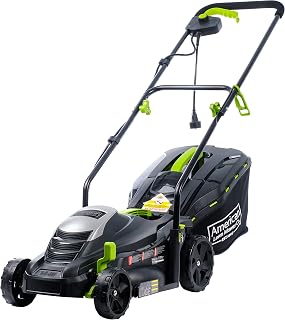 American Lawn Mower 50514 14" 11-Amp Corded Electric LawnCheck price on Amazon
 LawnMaster MEB1114K Electric Corded Lawn Mower 15-Inch 11AMPCheck price on Amazon
 BLACK+DECKER Electric Lawn Mower with Bike HandleCheck price on Amazon
AcreMowerLab earns a commission when you shop through links here. It never changes your price. Affiliate disclosure.
Lawn mower for beginners: pick the right type
| Tool | Best for | Limit |
|---|---|---|
| Reel mower | Small flat lawns with short grass | Needs frequent mowing and arm power |
| Gas push mower | Thick grass and uneven ground | Fuel, noise and more upkeep |
| Battery push mower | Small lawns and quiet streets | Run time ends when the pack is flat |
| Self-propelled mower | Slopes and larger lawns | Heavier to lift and store |
| Riding mower | Large lawns with room to turn | Needs wide gates and shed space |
| Robotic mower | Lawns kept short on a schedule | Needs a clear edge and setup time |
Most first-time buyers start with a walk-behind push mower, gas or battery, because it suits the lawns most beginners own. See the best walk behind push mower roundup for the current picks.
Walk the lawn before you choose
Walk the lawn before buying anything. Note the slopes, the trees and beds, the narrow gates, and the place where the mower will live between mows. A mower that cannot pass through the gate or fit the shed is the wrong mower, whatever the listing promises. Rough ground, roots and wet corners all push toward a sturdier deck and bigger wheels, while a flat open lawn suits almost any push mower. Think about storage too: a mower with a folding handle or a compact frame is easier to keep in a crowded shed or garage, and a machine that lives outside will age faster than one kept dry.
Read the listing before you buy
A listing states the figures that matter: engine size, cutting width, bag capacity and weight. The Xisulay listing states a 132cc engine, 2800RPM and a 45L grass bag, which shows the kind of concrete detail worth looking for. Read past the headline claims and check the spec table too: this same listing pairs mower specs in its title with bullets that describe a different tool, a cordless metal shear, so the title figures are the ones to trust. Where a figure is missing, treat it as not stated and do not guess it. A listing that states its figures plainly is easier to compare than one that hides them behind vague claims.
Learn the controls before the first mow
Spend a few minutes with the manual and the machine before the engine starts. Find the starter or start control, the throttle if the mower has one, the drive lever if the mower is self-propelled, the height lever, and the bag release. Set the cutting height, check the bag is seated if one is fitted, and walk the lawn to clear sticks, stones and toys. Knowing where each control sits means the first mow is spent mowing, not hunting for levers. If the mower has a drive control, practise engaging it on flat ground first so the pace feels natural before the blade is turning over grass.
Plan the first mow
Mow when the grass is dry, and work in straight, overlapping passes so no strip is missed. Start along the edges, then mow the open lawn in rows, turning at the ends with care. Leave the clippings where they fall on a light cut, or bag them when the grass is long. Cut only the top of the grass on the first pass; a lawn cut too short in one go will look thin and pale. For edges and tight corners, a trimmer finishes what the mower cannot reach; see the guide on how to use a line trimmer.
Mulch or bag the clippings
Clippings can be mulched back into the lawn or collected in the bag. Mulching returns fine cuttings to the soil and suits a lawn mown often, while bagging keeps the lawn tidy after a long cut and suits lawns where clippings would smother the grass. A mulching plug or a bagging setup changes how the mower handles clippings, so check which setup the mower ships with before the first mow. The tradeoffs are set out in the comparison of mulching vs bagging lawn mower options.
Look after the mower between mows
A mower lasts longer with a little care after each mow. Clear cuttings from the deck, check the bag for tears, and wipe the body down before it goes away. Keep the blade edge keen: a dull blade tears grass instead of cutting it, and the guide to the best way to sharpen lawn mower blades shows the routine. When the mower is not in use, keep it dry and covered; see the best cover for lawn mower picks for push and riding machines. Fuel left in a gas mower over the cold months can go stale, so follow the manual on storage and drain or treat fuel as it directs.
Safety
Wear eye and hearing protection and sturdy shoes. Clear sticks, stones and other debris before mowing, and keep children, pets and bystanders away from the work area. Refuel only with the engine off and cool. On slopes, follow the mower’s maximum slope rating in the manual, and do not mow wet grass on a hill. Stop the blade before crossing gravel, paths or driveways, and never reach under the deck while the engine is running.
FAQ: mowing large lots
What type of lawn mower is best for a beginner?
A walk-behind push mower, gas or battery, suits most beginners. It is simple to steer, easy to store, and strong enough for a typical home lawn, while riding mowers suit larger lawns and robotic mowers suit owners who want the machine to do more of the work on a schedule.
Should a beginner buy a gas or battery mower?
Gas suits thick grass and long mowing sessions, while battery suits small lawns, quiet streets and owners who want a push-button start with no fuel to store. The comparison of battery lawn mower vs gas sets out the tradeoffs in full.
How do I start a lawn mower for the first time?
Read the manual, check the fuel or charge, set the cutting height, and clear the lawn of debris. Follow the starting steps in the manual, then start the mower on a flat, clear patch with the drive off. Let the engine settle before moving off, and keep a steady walking pace.
Should I mulch or bag clippings as a beginner?
Mulch when the grass is short and the lawn is mown often; bag when the cut is long or the lawn needs a tidy finish. Either way, clear the deck after the mow so clippings do not cake on.
What should I check on a mower listing before I buy?
Look for engine size, cutting width, bag capacity, weight and drive type, stated as plain figures. The Xisulay listing states a 132cc engine, 2800RPM and a 45L grass bag; where a listing leaves a figure out, treat it as not stated rather than guessing.
More mowing guides
- Best Walk Behind Push Mower: 5 Picks Compared (2026)
- Mulching vs Bagging Lawn Mower: Which One Should You Buy?
- Reel Mower vs Push Mower: Which One Should You Buy?
- Battery Lawn Mower vs Gas: Which One Should You Buy?
For the next step after choosing a type, compare reel mower vs push mower to see which walk-behind style fits a small lawn.