Spark Plug Problems: Signs and Fixes
Hard starting, rough idle, misfire and lost power point to the plug: check the spark, read the plug, and fix the gap, the boot or the threads.

On this page
Top picks at a glance
As an Amazon Associate I earn from qualifying purchases.
- 1
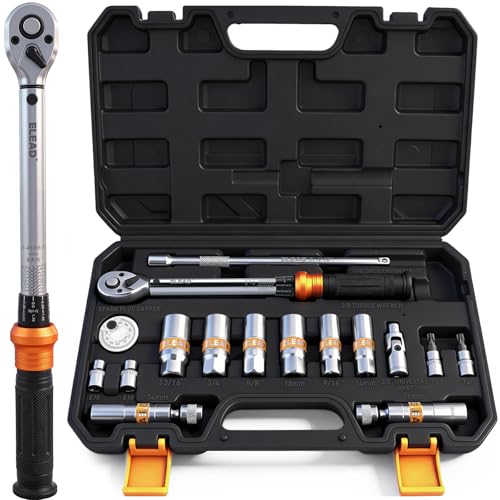 ELEAD 16-Piece Spark Plug Socket Set with Torque Wrench9.8/10View on Amazon
- 2
 YzusGomumu 799584 Carburetor Kit with Spark Plug and Air9.7/10View on Amazon
- 3
 ACDelco GM Original Equipment 41-962 Double Platinum Spark9.7/10View on Amazon
A mower that cranks without catching, runs rough or quits under load often has a spark plug problem. Spark plug problems show up as a fouled plug, a cracked insulator, worn electrodes or a loose boot, and the signs overlap: hard starting, rough idle and lost power. This guide walks through the signs, what to check, and when the plug itself is the fault.
AcreMowerLab earns a commission when you shop through links here. It never changes your price. Affiliate disclosure.
Spark plug problems: the signs to look for
| Sign | What it often means | What to check |
|---|---|---|
| Hard starting | Fouled plug or weak spark | The plug and the spark |
| Rough idle | Misfire, fouled plug or loose boot | The plug, the boot and the wire |
| Misfire or hesitation | Worn plug, cracked insulator or weak spark | The plug, the gap and the spark |
| Lost power | Worn plug or misfire under load | The plug and the gap |
| Vibration | Misfire | The plug and the boot |
Across the listings behind this guide, the signs named for worn coils or plugs are engine misfire, rough idle, hard starting, hesitation, engine vibration, a check engine light and a drop in power or fuel economy. A mower has no check engine light, but the rest of the list carries over: a plug that misfires shows up as a rough idle, a shake while it runs or a mower that stalls when the load rises. Work through the signs one at a time, and check the plug before ordering parts, because a fouled plug and a failed coil leave the same trail.
Check for spark first
A plug that will not fire leaves the engine cranking without catching, so checking the spark comes before anything else. An inline spark checker connects between the plug and the wire, and one listing states a check takes about 30 seconds. If the engine can emit a spark, the checker bulb lights up, showing spark is reaching the plug. No light means the fault sits in the plug, the wire or the coil, not in the fuel or the air. The checker lists a 2.28 in metal interface, a 4.44 in shaft and lamp housing, and a 6.53 in sheath and cable, so it fits in a small-engine toolbox without taking much room.
A spark check tells you where to look next. With spark present, the fault is more likely the plug itself, the gap or the fuel. Without spark, look at the wire, the boot and the coil before pulling the plug. Either way, a spark check takes about 30 seconds and keeps you from replacing parts that still work.
Read the plug
Pull the plug and look at it before ordering anything. A plug coated in black soot or wet with fuel has fouled, and it often goes with hard starting and a rough idle. A plug with a cracked ceramic insulator or a chipped electrode has to go, because a crack lets spark leak away from the gap. Check the gap against the plug or engine manual: a wide gap misfires under load and a tight gap runs rough, and the gap figure comes from the manual, not from a guess.
A plug that looks clean and dry with a sound gap points the fault at the wire, the boot or the coil. A plug that fouls again soon after cleaning points at the fuel or the air, not at the plug itself. Keep the old plug with the new one until the engine runs right, so you can compare them if the problem comes back.
When the plug will not tighten
A plug that turns without tightening, or one that blew out of the head, has stripped threads. Do not force it: forcing a plug into stripped threads makes the hole worse and can drop debris into the cylinder. Thread repair kits exist for stripped plug holes, with inserts, a reamer, a tap and a guide. One kit lists M14-1.25 inserts for Ford two-valve engines, so match the kit to the engine before ordering rather than assuming one size fits all.
A stripped hole is a plug problem that a new plug cannot fix. If the kit does not match the engine, a shop can fit the right insert, because the thread size and the plug depth have to match the head.
The socket and the boot
A plug socket has to match the plug hex, and a deep well needs a deep socket with a rubber sleeve to hold the plug. One T-handle wrench lists 14mm, 16mm, 18mm and 21mm sockets, with the metric sizes paired to 9/16 in, 5/8 in, 45/64 in and 13/16 in, for lawn mower plugs and other small engines. Our spark plug socket size guide covers mower engines.
The boot matters too: a boot that fits loose lets spark leak, and a cracked boot does the same. Boot caps and springs wear with age, and one 5-pack kit lists replacements for small two-stroke engines. If the boot will not stay on the plug, fit a new one rather than forcing the old one down, and check the wire where it meets the boot for cracks.
Safety
Work on a plug with the engine off and cool, and keep hands clear of the blade while the plug is out, because the blade spins freely with no compression holding it. Wear eye protection when pulling a plug, and keep hands away from the boot and the wire while checking for spark. Refuel only with the engine off and cool, and follow the engine manual for the plug and the gap.
FAQ: mowing large lots
Why does my mower crank but not start?
A plug with no spark is one cause: check for spark with an inline checker, then look at the plug itself for fouling or a cracked insulator. Fuel and air cause the same symptom, so a spark check narrows the fault down before ordering parts.
What does a fouled spark plug look like?
Black, oily or sooty deposits on the plug, often with hard starting and a rough idle. Clean it or fit a new plug, and check the gap against the engine manual.
How do I know if the spark plug gap is wrong?
A wide gap misfires under load and a tight gap runs rough. Check the gap against the plug or engine manual rather than guessing, and look at the electrodes for wear at the same time.
Can a bad spark plug cause a mower to vibrate?
Yes. A misfiring plug shakes the engine, and the listings name engine vibration among the signs of worn coils or plugs, along with misfire, rough idle and hard starting.
What if the spark plug will not tighten?
The threads may be stripped. A thread repair kit with inserts, a reamer and a tap can restore them, and one kit lists M14-1.25 inserts for Ford two-valve engines, so match the kit to the engine before ordering.
Do I need a special socket for a mower spark plug?
A spark plug socket that matches the plug hex, with a rubber sleeve to hold the plug in a deep well. One T-handle wrench lists 14mm, 16mm, 18mm and 21mm sockets for lawn mower plugs.
More mowing guides
- Spark Plug Socket Size Guide for Mower Engines
- Best Spark Plug Socket for Tight Spaces (2026): 4 Picks
- Copper vs Iridium Spark Plug: Which One Should You Buy?
See the mower maintenance guides for more upkeep jobs.