Hedge Trimmer Maintenance: Step-by-Step Care Guide
A complete care plan for hedge trimmers on acreage: cleaning sap, lubricating cutter teeth, sharpening edges, inspecting drive parts and seasonal storage.


On this page
Top picks at a glance
As an Amazon Associate I earn from qualifying purchases.
- 1
 EGO Power+ HT2600 56V 26 in Cordless Hedge Trimmer9.6/10View on Amazon
- 2
 Greenworks 40V Pole Saw and Hedge Trimmer Combo Kit9.6/10View on Amazon
- 3
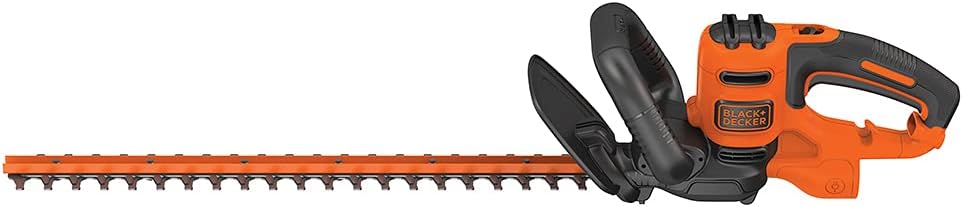 BLACK+DECKER BEHT350FF 22 in Corded Electric Hedge Trimmer9.6/10View on Amazon
Maintaining long property boundary lines, rolling fence banks, and thick cedar or privet windbreaks across large acreage requires cutting equipment that runs smoothly without binding. Routine hedge trimmer maintenance keeps opposing cutter bars slicing cleanly through tough stems instead of chewing bark, tearing foliage, or straining the motor. Clearing sap after trimming sessions, lubricating moving friction surfaces, restoring dull cutting teeth with a mill bastard file, and checking mechanical fasteners prevents mechanical wear and expensive breakdowns during the heavy growing season. Taking care of the cutting assembly and power head extends tool life and keeps large boundary hedges looking crisp.
AcreMowerLab earns a commission when you shop through links here. It never changes your price. Affiliate disclosure.
Hedge trimmer maintenance: essential supplies and preparation
| Supply | Best for | Limit |
|---|---|---|
| Resin solvent spray | Dissolving sticky plant sap and gummy foliage deposits | Requires thorough wiping before applying lubricant |
| Light machine lubricant | Reducing surface friction along reciprocating blade rails | Wipes away during extended trimming passes |
| Flat mill bastard file | Restoring clean cutting bevels on dulled blade teeth | Removes steel if pressed too aggressively |
| Heavy leather work gloves | Protecting hands during blade cleaning and sharpening | Bulky when adjusting tiny mechanical fasteners |
Having the correct maintenance supplies ready saves time when servicing hedge trimmers on acreage. Keep cleaning solvents, lubricating fluid, a clean shop towel, and sharpening tools together on your workbench. For properties with expansive boundary borders, see our guide on hedge trimmers for tall hedges to match the tool reach to your landscape.
Clean sap and debris from the cutter bar
Plant sap, crushed leaves, and woody resin collect rapidly along the cutter bar during trimming. As this sticky material dries, it hardens into a dense coating that forces the motor or engine to work harder, generating excess friction and heat. After finishing a trimming session, disconnect the power supply and brush away loose leaves, twigs, and bark with a stiff bristle brush.
Apply a dedicated resin-dissolving cleaner or plant sap solvent evenly across each side of the cutter bar. Allow the solvent liquid to penetrate and dissolve the gummy buildup. Wipe the dissolved residue off the steel blades using a clean shop rag. For stubborn deposits, a brass wire brush scrubs away hardened residue without scoring the steel surfaces. Keeping the cutter rails clear of sticky residue ensures the reciprocating teeth slide freely against each other.
Lubricate the blades before and after cutting
Hedge trimmer blades rely on flat metal surfaces sliding against each other at high velocity. Without consistent lubrication, friction creates heat that dulls the cutting edges prematurely and drains battery charge or burns excess fuel. Apply a thin, even coat of lubricating machine fluid along the entire length of the cutter bar before beginning any trimming work.
During lengthy trimming jobs along extended fence lines or expansive windbreaks, stop periodically to brush away accumulated plant debris and mist fresh lubricant across the blade rails. When trimming is finished and the blades have been cleaned of sap, apply a final coating of protective machine oil before returning the tool to storage. This protective oil film seals the bare steel against atmospheric moisture, preventing surface corrosion and rust pitting during idle periods.
Sharpen dull cutting teeth
Over time, woody stems, dust, and grit round off the sharp leading edges of the blade teeth. When blades become dull, the trimmer chews and tears branches rather than slicing cleanly through them, leaving jagged cuts that turn brown and invite plant disease. Regular blade touch-ups restore cutting efficiency and reduce strain on the transmission gearbox.
Clamp the cutter bar firmly in a bench vise padded with wood blocks to protect the steel bar. Use a flat mill bastard file, aligning the file face with the original factory bevel ground onto each individual tooth. Push the file forward in smooth, steady strokes along the bevel, lifting the file on the return stroke. Maintain the original bevel angle across every tooth. Avoid back-and-forth sawing motions, which create uneven burrs. After filing the cutting face, flip the tool to gently hone away any light burrs along the bottom flat surface. If you also maintain mower blades, compare sharpening techniques in our mower blade sharpener guide.
Inspect fasteners and mechanical drive parts
The rapid reciprocating motion of hedge trimmer blades creates continuous mechanical vibration that can loosen fasteners over time. Periodically inspect the blade guide bolts, lock nuts, and gearcase housing screws. Loose hardware allows the opposing cutter bars to separate slightly, which leads to branches jamming between the teeth rather than being severed.
Check that blade retaining nuts remain snug without overtightening. Fasteners should hold the cutter rails flat against each other while still allowing unrestricted reciprocating travel. Inspect the tip guard at the outer end of the bar, confirming that it remains solidly anchored to shield the blades from accidental contact with chain link fencing, stone walls, or ground dirt. If the gearbox features an external grease fitting or service port, add the maker-specified gear lubricant to keep internal cams and connecting rods properly cushioned.
Service the power source
Hedge trimmers run on cordless battery platforms, corded electricity, or small gas engines, and each power platform requires distinct routine maintenance. For cordless battery trimmers, inspect the battery housing for cracks, keep the electrical contact terminals clean and free of corrosion, and clear ventilation cooling slots of dust and stray clippings.
For corded electric models, inspect the entire power lead for nicks, abrasions, or cracked insulation, repairing or replacing damaged cords immediately. For gas-powered trimmers, clean the foam air intake filter in warm soapy water, dry it thoroughly, and apply light filter oil. Inspect the spark plug, cleaning away carbon deposits or replacing a fouled plug. Ensure the fuel cap vent functions freely, and check the muffler spark arrestor screen to prevent hot exhaust embers from escaping near dry brush.
Match maintenance to shrub and hedge growth
Different shrub varieties impose varying demands on cutting gear. Soft leafy hedges like boxwood or privet produce fine clippings and light sap, requiring frequent wiping but gentle sharpening. In contrast, fibrous varieties, woody conifers, and mature evergreen windbreaks leave thick, sticky resin that glues cutter bars together rapidly.
Always match the cutting task to the tool capacity. For branches that exceed the spacing between blade teeth, switch to handheld bypass loppers or a pruning saw rather than forcing the trimmer through heavy wood. For demanding estate trimming and continuous fence maintenance, our overview of commercial-grade hedge trimmers highlights heavy-duty gear built to withstand dense branch clearing.
Plan maintenance across the growing season
Establishing a regular seasonal maintenance cadence prevents minor blade issues from compounding into expensive mechanical failures. In spring, inspect the equipment before the initial trimming surge, checking fastener tension, lubricating the rails, and verifying that the power head starts smoothly. Midsummer brings rapid shrub growth, demanding frequent resin cleaning and periodic blade touch-ups with the file.
When autumn arrives and the final hedge trimming pass concludes, perform a comprehensive teardown clean before winter storage. For gas equipment, drain the fuel tank and run the carburetor dry, or add fuel stabilizer to prevent ethanol fuel breakdown. For battery gear, remove the battery pack and store it in a dry, indoor climate away from freezing barn temperatures. Similar seasonal scheduling applies across all outdoor power tools, as detailed in our guide to string trimmer maintenance.
Mind working conditions and safe handling
Working along sloping ground, ditches, and long property perimeters requires steady footing and awareness of surrounding obstacles. Avoid operating trimmers on wet, slippery turf, and never trim vegetation during damp weather or rain. Working overhead on tall windbreaks introduces physical fatigue; take scheduled breaks to avoid dropping equipment or making erratic cutting strokes.
Always inspect the hedge boundary before beginning work. Hidden fencing wire, forgotten metal stakes, and buried irrigation tubing can strike the cutter bar, chipping teeth or shearing gearbox drive splines instantly. Clear away foreign debris, fallen branches, and loose rocks from along the base of the hedge before trimming begins.
Safety
Personal safety is essential whenever operating or maintaining high-speed cutting machinery. Always wear protective eye goggles, heavy leather gloves, and hearing protection before starting work. Keep hands, clothing, and body parts well away from the cutter bar while the unit is running or connected to power.
Before cleaning, clearing foliage jams, lubricating, or sharpening blades, always disable the power source. Remove the battery pack on cordless models, unplug the power cord on electric trimmers, and disconnect the spark plug wire boot on gas units. Never operate a gas trimmer in an enclosed barn or workshop due to carbon monoxide hazards. Refuel gas tanks only outdoors with the engine shut off and fully cooled. Keep children, pets, and bystanders safely away from the trimming zone.
FAQ: mowing large lots
What is the best way to clean hedge trimmer blades after use?
Brush away loose leaves and twigs with a stiff bristle brush, then spray each side of the cutter bar with a resin-dissolving cleaner. Let the liquid soften gummy plant sap, then wipe the steel clean with a dry shop rag.
How often should hedge trimmer blades be lubricated?
Apply light machine lubricant along the blade rail before starting work, periodically during extended trimming sessions along long property boundaries, and immediately after cleaning before storing the tool.
Can you sharpen hedge trimmer teeth without taking the cutter bar apart?
Yes. Clamp the bar in a bench vise and use a flat mill bastard file to stroke each individual tooth bevel forward, maintaining the factory angle and gently honing the flat reverse side.
Why is my hedge trimmer chewing branches instead of cutting cleanly?
Chewing or tearing branches indicates dull cutting teeth, loose blade guide bolts that allow the cutter rails to separate, or thick sap buildup that slows blade travel.
How should a hedge trimmer be prepared for winter storage?
Clean off all sap, sharpen the teeth, and apply a thorough coating of machine oil over the steel bar. For gas units, drain fuel or run the carburetor dry. For battery models, store the battery pack indoors away from freezing temperatures.
More mowing guides
- Best Hedge Trimmer for Tall Hedges (2026): 5 Picks Compared
- Best Hedge Trimmer for Professional Use (2026): 5 Picks Compared
- String Trimmer Maintenance: Step-by-Step Care Guide
- Best Mower Blade Sharpener: 4 Picks for Riders and Large Lawns
Explore our trimmer and blower guides for more yard care equipment advice.