Trimmer String Size Chart
A practical trimmer string size chart for property owners: compare line gauges, cord shapes, and spool limits to cut tough weeds and grass cleanly.

On this page
Top picks at a glance
As an Amazon Associate I earn from qualifying purchases.
- 1
 Wild Badger Power 52cc 2-Cycle Weed Wacker String Trimmer9.6/10View on Amazon
- 2
 Husqvarna 130L Gas String Trimmer9.6/10View on Amazon
- 3
 Husqvarna 122LK Grass Trimmer9.6/10View on Amazon
- 4
 BLACK+DECKER String Trimmer / EdgerView on Amazon
- 5
 Wild Badger Power Gen2 26cc Gas String TrimmerView on Amazon
- 6
 EGO POWER+ Premium Twist Line String TrimmersView on Amazon
- 7
 BLACK+DECKER String TrimmerView on Amazon
- 8
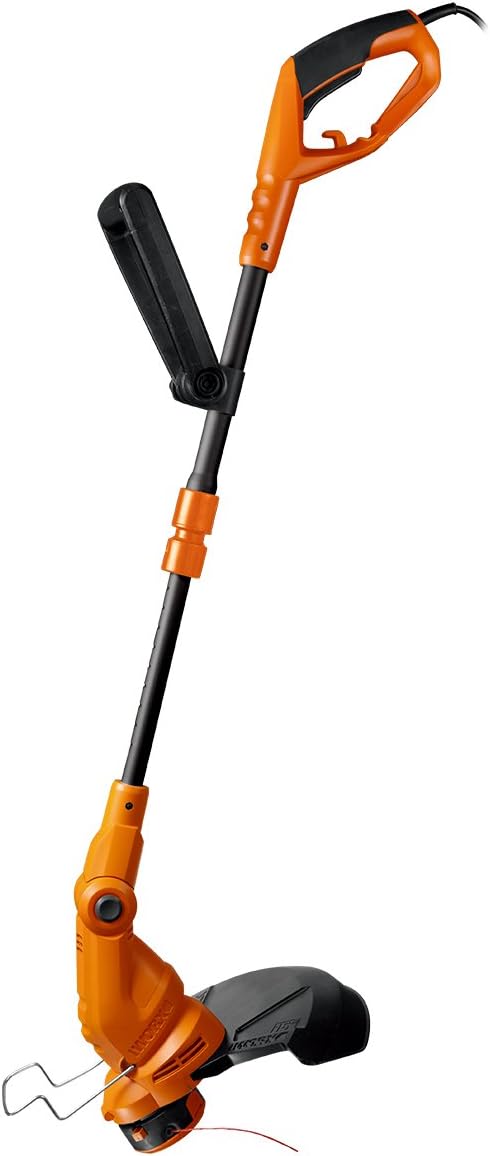 WORX 15" 2-in-1 Electric String Trimmer & Lawn Edger for LawnView on Amazon
- 9
 Anleolife .095" 3-Layer Twisted String Trimmer Line for WeedsView on Amazon
Managing fence lines, ditches, and open acreage requires matching your trimmer line to the growth on your property. A trimmer string size chart groups line into light-duty cord for routine edging, medium-duty line for dense weeds and fence lines, and heavy-duty line for thick brush and field borders. For example, Viabrico specifies a 0.095 inch line diameter for cutting grass and field weeds. Using the correct diameter keeps your trimmer feeding smoothly without engine bog or line snaps. This guide explains how to choose the right gauge, compare line shapes, and match line size to your trimmer head step by step.
Other machines to compare
 BLACK+DECKER String Trimmer / EdgerCheck price on Amazon
 Wild Badger Power Gen2 26cc Gas String TrimmerCheck price on Amazon
 EGO POWER+ Premium Twist Line String TrimmersCheck price on Amazon
 BLACK+DECKER String TrimmerCheck price on Amazon
 WORX 15" 2-in-1 Electric String Trimmer & Lawn Edger for LawnCheck price on Amazon
 Anleolife .095" 3-Layer Twisted String Trimmer Line for WeedsCheck price on Amazon
AcreMowerLab earns a commission when you shop through links here. It never changes your price. Affiliate disclosure.
Trimmer string size chart: pick the right line diameter
| Line Class | Best for | Equipment and Limits |
|---|---|---|
| Light-duty line | Lawn edges, soft grass, and trimming around garden beds | Snaps against fence posts; suited for light battery or curved-shaft trimmers |
| Medium-duty line | Thick turf, tall weeds, and fence lines on acreage; Viabrico lists a 0.095 inch line in this class | Common on straight-shaft gas trimmers and capable battery units; check head limits |
| Heavy-duty commercial line | Woody weeds, dense brush, briars, and field borders | Requires high-displacement gas trimmers; too thick for standard bump heads |
| Fixed-line or bladed head | Woody saplings, brambles, and overgrown pasture edges | Exceeds spool capacities; requires brush cutter heads or walk-behind string mowers |
Many property owners with acreage choose medium-duty line for general trimming, using a straight-shaft trimmer that delivers enough torque to clear ditches. See our guide to string trimmer types or explore our best string trimmer for acreage picks.
Step 2: check your trimmer head capacity
Check the maximum line diameter supported by your trimmer head before buying cord. Eyelets on the trimmer head restrict string gauge. Feeding line thicker than the maker’s rating causes binding in the eyelets, preventing the bump mechanism from advancing cord.
The Viabrico listing specifies a 0.095 inch line diameter and notes that buyers should verify that their trimmer head accepts 0.095 inch line. While the listing claims compatibility with all gas and electric trimmers, its notes clarify that owners must confirm their head accepts 0.095 inch cord, as light electric trimmers cannot feed line this thick. Forcing cord that is too thick through small eyelets causes immediate feed jams. Conversely, line that is too thin slips out of internal retention slots or snaps immediately on tough weeds. Inspect your manual or the spool housing for molded size markings.
Review our guide to string trimmer maintenance for steps on cleaning and servicing trimmer heads.
Step 3: select the line shape
Line shape determines how string cuts vegetation and how long it lasts against hard obstacles.
Round line is the traditional shape. It holds up well along stone foundations and curbs because it lacks sharp corners that can notch and break. However, round cord tears grass rather than slicing it cleanly, creating extra motor drag in heavy weeds.
Square line features sharp cutting edges. The Viabrico listing notes that square cut line provides sharper edges that cut heavier weeds and thicker grass more quickly and efficiently than traditional round nylon lines, reducing cutting time across acreage. The square profile slices weed stalks with less drag, helping the engine maintain operating speed.
Twisted line uses a spiral shape to reduce wind resistance. Standard lines flutter at high speeds, creating noise and vibration. Twisted cord flows through the air smoothly, lowering noise and vibration while delivering clean cutting edges.
Step 4: spool the line correctly
Spooling line with consistent tension prevents tangles and feed failures in the field. Cut string ends cleanly to keep fibers from catching inside the eyelets during loading.
Wind the line in the direction indicated by the arrows on the spool. Maintain firm, even tension and avoid crossing strands over each other. Overlapping turns pinch together under tension, causing feed jams when tapping the head.
Bulk spools save trips to town during the mowing season. For example, Viabrico supplies a 5 lb spool holding 1270 ft of 0.095 inch line, with dimensions of 5 x 5 x 5 inches and a weight of 5.7 pounds. Store spools away from heat and direct sunlight. If nylon cord has dried out in storage and snaps easily, soaking the spool in clean water restores moisture and flexibility to the polymer.
Step 5: adjust your trimming technique
Operating technique preserves string and speeds up yard work:
- Cut with the tips: The outer tip moves fastest and cuts cleanest. Shoving the head into dense weeds bogs the engine and breaks cord at the eyelet.
- Taper along borders: Tilt the head slightly so only string tips touch grass near fences, retaining walls, and rock edging.
- Run at full throttle: Run gas trimmers at full throttle when cutting heavy weeds to keep the centrifugal clutch fully engaged, preventing clutch slippage and engine carbon buildup.
- Clear wrapped vegetation: Stop the engine immediately if tall pasture grass or vines wrap around the arbor behind the trimmer head.
Match line gauge to grass density
Match your string diameter to the vegetation across your property to avoid wasting cord.
Lawn edges and garden beds require light-duty line. Heavy cord can scalp soft turf and gouge wood siding. Light line cuts soft turf cleanly without throwing mulch out of beds.
Dense turf, field grasses, and common pasture weeds require medium-duty cord with enough stiffness to slice through dense patches without bending back. For example, Viabrico offers a 0.095 inch line diameter suited for cutting yard grass and field weeds along fence lines and outbuilding perimeters.
For woody brush, thick briars, and saplings along pasture borders, flexible line frays rapidly. When growth exceeds line capacity, switch to a straight-shaft trimmer fitted with a brush blade. See our guide to the best brush cutter for weed trimmer attachments for heavy clearing.
Compare round and square trimmer line
Choosing between round and square line depends on the ground you trim.
Round line works best around solid, smooth obstacles. Lacking sharp corners, it scuffs against concrete curbing and stone foundations with less notched fraying than edged lines. However, direct contact with chain-link mesh, wire fencing, or rough rocks abrades flexible line regardless of profile.
Square line excels in open weed patches, overgrown ditches, and thick grass. Its sharp corners act like continuous blades, slicing fibrous stalks rather than battering them. This clean cut reduces engine load, letting you clear heavy growth with less bogging. However, when square cord strikes steel fence posts or concrete walls, the corners catch and shear, requiring more line feeds.
Plan property trimming in zones
Dividing a large property into trimming zones saves time and fuel.
Start around the house and formal lawn where clean edges matter most. Keep string clear of siding and landscape shrubs. Move next to outbuilding borders, equipment sheds, and driveways, keeping the head clear of loose gravel.
Finish along pasture fence lines and field borders in long, continuous passes. Walk so clippings blow away from the fence line to keep the wire visible. Along ditches, trim along the slope contour rather than walking up and down. For extensive fence lines across acreage, combine your line with a capable gas unit. See our guide to the best gas string trimmer for long property runs.
Mind obstacles and fence lines
Fences, rocks, and trees cause most premature string breakage on rural acreage.
Woven wire and chain-link fencing quickly shred trimmer line if the head contacts the wire. Wire catches the cord, causing sharp bends that snap the line at the eyelet. Hover string tips just outside the wire, letting the cutting radius trim under the fence without striking metal.
Keep trimmers away from young tree trunks. High-speed cord strips thin bark, girdling saplings and causing lasting harm. Pull weeds by hand around young trees or use trunk protectors. Around gravel driveways and rocky ground, keep the trimmer head raised and trim only the upper grass blades to avoid contacting loose stones that could be thrown toward parked vehicles or windows.
Safety
Wear safety glasses, hearing protection, sturdy work boots, and long pants when operating a string trimmer. High-speed line hurls gravel, sticks, and wire fragments with significant force. Clear the work area of hidden rocks, wire, and branches before starting, and keep children, pets, and bystanders away while trimming.
Never run a trimmer without the debris shield mounted on the shaft. The shield deflects flying debris and houses the line-limiting blade that keeps the cord at the proper length. Refuel gas trimmers only outdoors with the engine switched off and cool. On slopes and ditch banks, maintain solid footing and watch for holes or wet ground.
FAQ: mowing large lots
What line size suits general acreage trimming?
Medium-duty line is the standard choice for general acreage maintenance. It provides sufficient strength to cut thick weeds and dense turf along fence lines without stalling gas or capable battery trimmers. For example, Viabrico lists a 0.095 inch line diameter for clearing lawn grass and field weeds.
Can I use heavier line than my trimmer head specifies?
No. Using line thicker than the maker’s rating causes cord to bind in the eyelets, stops the bump-feed mechanism from advancing line, and strains the trimmer motor or clutch.
Does square trimmer string cut better than round line?
Square line features sharp edges that slice through tough weed stems and thick grass more cleanly than round line, which tears vegetation. Square line cuts quickly in heavy growth, though round line resists abrasive wear longer against brick and concrete.
Why does trimmer line break off inside the head?
Line breaks inside the head from excessive heat, uneven winding, or brittle nylon. When line rubs inside the spool under heavy load, friction can weld strands together. Soaking dry cord in clean water restores flexibility.
How much trimmer string fits on a spool?
Spool capacity depends on line diameter and head design. Bulk spools, such as the 5 lb spool holding 1270 ft of 0.095 inch line listed by Viabrico, supply replacement line for multiple reloads throughout the season.
More mowing guides
- Best String Trimmer for Acreage: 4 Gas and Battery Picks
- String Trimmer Types: Complete Guide to Shafts, Power, and Cutting Heads
- String Trimmer Maintenance: Step-by-Step Care Guide
- Best Gas String Trimmer (2026): 5 Top Picks for Large Lawns and Acreage
Explore our equipment reviews in trimmers and blowers to find reliable gear for your property.