How to Use Zero Turn Mower: Beginner Operation and Safety Guide
A practical guide to operating a zero-turn mower: control levers, smooth turning without tearing turf, starting steps, and slope safety.

On this page
Top picks at a glance
As an Amazon Associate I earn from qualifying purchases.
- 1
 Husqvarna MZ619.7/10View on Amazon
- 2
 EGO Power+ Z6 Zero Turn Electric Riding Lawn Mower9.6/10View on Amazon
- 3
 EGO Power+ Z6 Zero Turn Electric Riding Lawn Mower9.6/10View on Amazon
- 4
 Zero-Turn BarView on Amazon
- 5
 Husqvarna Z254FView on Amazon
- 6
 Husqvarna Z254F 54 in. 23 HP Kawasaki Zero Hydrostatic TurnView on Amazon
- 7
 EGO Power+ Rear Bumper for Z6 Zero Turn Riding Lawn MowersView on Amazon
- 8
 Segway Navimow i210 AWD Robot Lawn Mower Wire Free withView on Amazon
- 9
 Segway Navimow i206 AWD Robot Lawn Mower Wire Free withView on Amazon
To learn how to use zero turn mower equipment, sit firmly in the operator seat, push the steering levers forward together to move straight ahead, pull them back to reverse, and push the left or right lever further than the other to steer. Unlike a steering wheel on a tractor, dual lap bars control independent hydraulic wheel motors or electric drive hubs on the rear drive wheels. Learning how to use a zero turn mower requires smooth, gentle lever inputs to prevent turf damage and maintain stable machine control. This guide explains controls, starting steps, maneuvering techniques, and field safety.
Other machines to compare
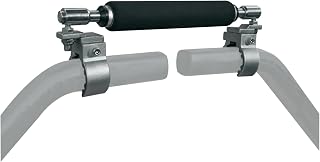 Zero-Turn BarCheck price on Amazon
 Husqvarna Z254FCheck price on Amazon
 Husqvarna Z254F 54 in. 23 HP Kawasaki Zero Hydrostatic TurnCheck price on Amazon
 EGO Power+ Rear Bumper for Z6 Zero Turn Riding Lawn MowersCheck price on Amazon
 Segway Navimow i210 AWD Robot Lawn Mower Wire Free withCheck price on Amazon
 Segway Navimow i206 AWD Robot Lawn Mower Wire Free withCheck price on Amazon
AcreMowerLab earns a commission when you shop through links here. It never changes your price. Affiliate disclosure.
How to use zero turn mower: master the steering levers
| Lever position | Machine response | Operation tip |
|---|---|---|
| Both levers pushed forward evenly | Drives straight forward | Push gently; further travel increases ground speed |
| Both levers pulled backward evenly | Drives straight backward | Always look behind you before pulling levers back |
| Both levers forward with one pushed further ahead | Sweeping curve toward the slower wheel side | Keeps both tires rolling to protect turf crowns from scuffing |
| One lever forward while inside lever remains in neutral | Sharp pivot turn around the stationary inside wheel | Use only on hard ground or utility paths, as a stopped tire tears grass |
| One lever pushed forward while opposite lever pulled backward | Zero-radius spin within the machine footprint | Avoid on lawn turf; reserve counter-rotation for tight handling on solid surfaces |
Operating a zero-turn differs completely from steering a lawn tractor. Dual levers regulate fluid flow to independent wheel motors on gas models or direct electrical power to dual brushless motors on battery units. Understanding how to zero turn mower units on open turf prevents sudden wheel spin and erratic steering changes. See our zero-turn mower guide for machine designs and platform comparisons.
Step 2: inspect the yard and machine before starting
Before starting the engine, conduct a pre-mowing inspection across your lawn and equipment. Walk the property to clear sticks, stones, wire, branches, and garden hoses that could strike mower blades. Check tire inflation against the operator manual, because uneven tire pressure causes the mower deck to cut unevenly and causes steering drift toward the softer tire.
Verify that fuel levels are sufficient for gas engines, or check that battery packs show a full charge. Adjust the operator seat position so your arms rest comfortably on the lap bars with elbows slightly bent. Ensure the deck height adjustment pin is set to your target grass height before engaging the blades. Tough Cover lists protective outdoor covers designed for decks up to 60in to protect resting machinery from sun and water exposure between lawn maintenance cycles.
Step 3: start the engine and release the parking brake
Zero-turn mowers feature safety interlock systems designed to prevent accidental startup. Sit squarely in the seat to engage the operator presence switch. Pull both steering control levers fully outward into their neutral lock slots, verify that the blade engagement switch (electric PTO) is pushed down into the off position, and ensure the parking brake is firmly set.
For gas models, set the choke if starting cold, advance the throttle slightly, and turn the ignition key. When the engine starts smoothly, open the choke and bring the throttle to operating speed. For battery models, insert the safety key and press the power button. To prepare for motion, release the parking brake and swing both lap bars inward from their neutral lock slots toward your lap (or on models with automatic brakes, swinging the levers inward releases the brake). Keep your hands relaxed on the grips without pushing forward yet.
Step 4: practice steering and speed control
Choose a broad, flat open lawn area away from trees, ditches, fences, and flower beds for initial practice. With the mower blades turned off, gently push both control levers forward simultaneously. The machine accelerates smoothly; moving the levers farther forward increases forward ground speed, while easing them back toward center slows the machine.
To stop the mower smoothly, return both levers to the neutral center position. Pulling both levers past neutral engages reverse. Practice stopping and reversing until the motion feels natural. Avoid jerky, abrupt lever snaps, which can jolt the operator and cause the rear drive tires to lose traction. With forward travel mastered, practice gradual sweeping curves by pushing an individual lever slightly ahead of the opposite lever.
Step 5: execute smooth turns without tearing turf
Learning how to turn a zero turn mower without gouging the lawn is an essential skill for operators. The front caster wheels rotate freely in any direction, meaning directional control comes entirely from the rear drive tires. If you pull an inside lever to a complete dead stop while pushing the opposite lever forward, the stopped tire pivots in place and tears grass roots.
Follow these methods to execute clean turns that protect turf health:
- Perform a multi-point Y-turn: at the end of each pass, slow down, curve outward slightly, reverse in the opposite direction, and pull forward into the next row.
- Keep both wheels rolling: avoid locking the inside wheel completely motionless during a turn on damp turf.
- Ease lever travel: feather the steering levers smoothly rather than pushing them abruptly.
- Avoid turning on bare dirt or wet ground: soil with high moisture content shears loose under tire tread.
Practicing smooth sweeping turns preserves turf crowns and creates clean striping lines across your lawn.
Plan mowing patterns across the property
A structured mowing plan reduces trimming time and prevents soil compaction. Start by cutting border passes around the perimeter of the lawn, keeping the discharge chute pointed inward toward the lawn to keep clippings off driveways, walkways, and garden beds. For discharge management, WildGear lists chute blocker assemblies that direct clipping flow away from sensitive borders.
After establishing clear turnaround borders, mow back and forth across the main lawn in long, straight passes. Overlap each pass slightly with the previous row to avoid leaving uncut strips of grass. Alternate your mowing direction during subsequent sessions, changing between horizontal, vertical, and diagonal patterns. Alternating patterns prevents soil ruts and encourages grass blades to grow upright. Read our guide on how long does it take to mow an acre to plan mowing schedules across large acreage.
Match deck height and attachments to the lawn
Adjusting the mower deck correctly ensures a clean, healthy cut without scalping high spots or stalling the engine. Avoid cutting grass excessively short during lawn maintenance; remove only the upper portion of the leaf blade during each pass. Keep cutting blades sharp to avoid frayed, brown grass tips; see our mower blade sharpener guide for maintenance tools.
When equipping your machine for towing or cleanup chores, verify hitch and attachment compatibility. For towing lawn sweepers, aerators, and dump carts, joytrace lists a 1-1/4 inch receiver hitch fabricated from 6mm steel with 3.5 pounds total weight. For trimming along fence lines while mowing, Generic lists deck-mounted trimmer attachments requiring a minimum 15 Amp charging system. Always verify manufacturer towing limits before pulling implements, as excessive tongue weight and heavy loads can strain hydrostatic transmissions.
Manage slopes and terrain hazards
Operating on sloping ground demands extreme care because zero-turn mowers steer with their rear wheels. Without front wheel steering, the front casters cast downhill freely if the rear tires lose grip. Never exceed the maximum slope angle specified in your machine operator manual; review our best riding mower for hills guide to understand slope ratings.
When mowing hills, travel slowly and avoid sudden stops, abrupt accelerations, or quick turns. Steer with wide, gradual motions and keep both drive wheels rolling. If the mower begins sliding downhill, avoid pulling both levers back violently; instead, steer downhill into the slide to regain traction and smoothly ease the steering levers toward neutral to slow down. Avoid operating near creeks, retention ponds, drop-offs, retaining walls, or deep drainage ditches. Always keep a buffer zone between your mower and water hazards.
Post-mowing shutdown and storage care
Proper shutdown preserves engine longevity and ensures personal safety. When mowing is complete, drive the zero-turn to a flat, level parking spot. Disengage the blade PTO switch, pull the steering levers outward into the neutral lock slots, set the parking brake, and allow the engine to idle smoothly before turning the ignition key off.
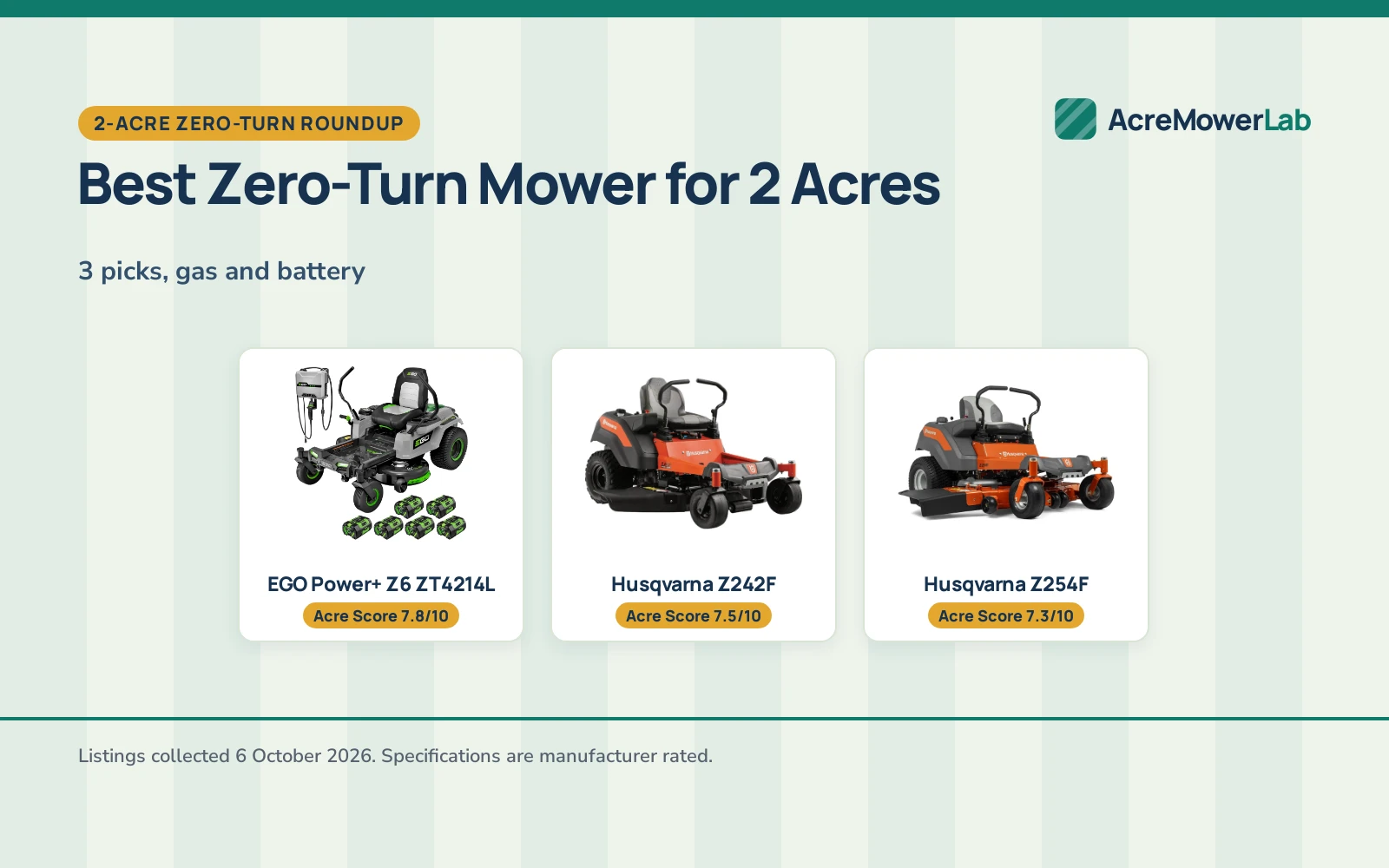
Clear grass clippings and debris from the top of the mower deck, cooling fins, and transmission casings after the machine cools down. Accumulated dry grass near the muffler or engine block poses a fire risk. Store the machine in a clean, covered shelter or under a fitted cover to protect deck components from moisture between cutting sessions. If you mow multiple acres with a dedicated residential machine, see our best zero turn mower for 2 acres recommendations.
Safety
Operating a zero-turn mower safely requires vigilance and proper personal protection. Always wear eye protection, hearing protection, and sturdy closed-toe footwear when operating power equipment. Clear rocks, branches, wire, and loose debris from the yard prior to mowing to prevent dangerous thrown objects. Keep children, pets, and bystanders completely out of the yard during operation, and never carry passengers on the machine.
Deploy the rollover protective structure (ROPS) and fasten your seat belt whenever operating a machine equipped with a roll bar. Never bypass safety interlock switches, and always disengage mower blades before traveling across gravel driveways or shifting into reverse. Zero-turn mowers easily lose traction on slopes, wet grass, and near ponds, ditches, or steep embankments; always maintain a wide buffer zone around water hazards. Never refuel a gas engine while it is running or hot; allow the engine to cool completely before adding fuel, and refuel outdoors away from open flames.
FAQ: mowing large lots
How do you steer a zero turn mower?
Push both steering levers forward together to move straight ahead, pull both levers back to reverse, and push the left or right lever further than the other to turn toward the slower wheel side. Returning both levers to the center neutral position stops machine travel.
Why does a zero turn mower tear up the grass when turning?
Turf tearing occurs when an operator locks the inside rear wheel motionless while powering the outside wheel forward. The stationary tire pivots in place and tears the grass roots. Keeping both rear tires rolling gently through a wide curve or multi-point Y-turn prevents lawn scuffing.
Can you use a zero turn lawn mower on hills?
Zero-turn mowers handle mild, dry slopes well, but they lose steering control if the drive tires lose traction on steep grades. Always consult the operator manual for your machine maximum slope rating, avoid mowing wet slopes, and reduce speed when traversing hills.
How do you stop a zero turn mower in an emergency?
To stop immediate travel, pull both steering levers quickly and smoothly back to the neutral center position and engage the parking brake. If you vacate the operator seat, the engine presence safety switch automatically cuts power to the engine and mower blades.
Can you pull attachments with a zero turn mower?
Yes, many zero-turn mowers accept tow-behind aerators, spreaders, and utility dump carts. Check your machine transmission rating and tow weight limit in the operator manual before towing heavy loads, especially on sloping turf.
More mowing guides
- Best Zero-Turn Mower for 2 Acres: 3 Picks by Deck Size
- Best Riding Mower for Hills: 4 Picks and How to Read Slope Ratings
- How Long Does It Take to Mow an Acre? Times by Mower Type
- EGO Z6 Zero Turn Mower Review (2026): Pros, Cons and Who It’s For
Use the Mower Matcher to narrow down choices by acreage, terrain, budget, and power type.