How to Clean Lawn Mower Gas Tank
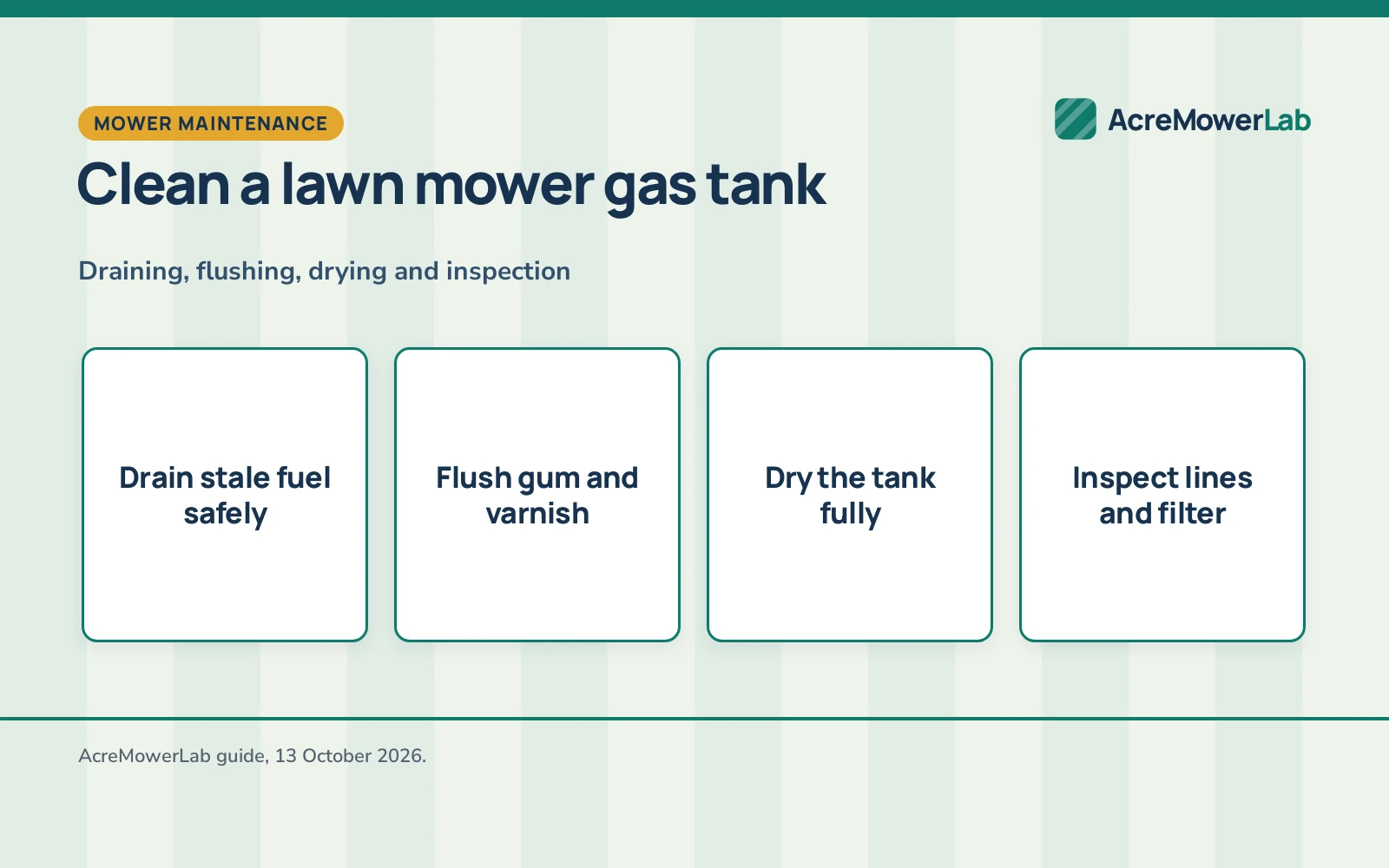
A step-by-step guide to draining, flushing, and cleaning a lawn mower gas tank on acreage to keep fuel flowing and engines running smoothly.

On this page
Top picks at a glance
As an Amazon Associate I earn from qualifying purchases.
- 1
 Husqvarna TS 140X9.5/10View on Amazon
- 2
 ECOTRIC Adjustable Lawn Mower Trailer Towing Hitch9.8/10View on Amazon
- 3
 Keystone Seats Steel Pan Lawn Mower Seat9.7/10View on Amazon
- 4
 SENIX 201cc 22" 3-in-1 Variable Speed Self Propelled Gas LawnView on Amazon
- 5
 BILT HARD 201cc Push Lawn MowerView on Amazon
- 6
 Inductive Hour Meter for Gas Engine Generator Lawn Mower RedView on Amazon
- 7
 Inductive Hour Meter for Gas Engine Generator Lawn MowerView on Amazon
- 8
 2 Pieces Inductive Hour Meter for Gas Engine Lawn Mower DirtView on Amazon
- 9
 SENIX 22'' Self Propelled Gas Lawn MowerView on Amazon
When managing acreage with rough pastures, rolling hills, and expansive turf, keeping your mowing equipment dependable is essential. Knowing how to clean lawn mower gas tank keeps your machine running smoothly: disconnect the spark plug wire, drain all stale fuel into a safe container, remove the tank to flush out sediment and sticky varnish with fresh solvent, dry the interior completely, and inspect the fuel lines before refilling. Stale gasoline left over seasonal storage breaks down into gum that starves carburetors and stalls engines. This guide walks through each step to restore proper fuel flow.
Other machines to compare
 SENIX 201cc 22" 3-in-1 Variable Speed Self Propelled Gas LawnCheck price on Amazon
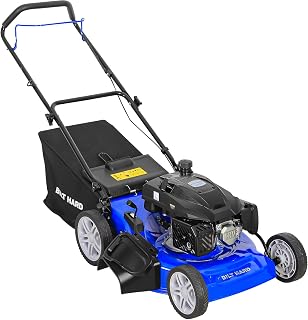 BILT HARD 201cc Push Lawn MowerCheck price on Amazon
 Inductive Hour Meter for Gas Engine Generator Lawn Mower RedCheck price on Amazon
 Inductive Hour Meter for Gas Engine Generator Lawn MowerCheck price on Amazon
 2 Pieces Inductive Hour Meter for Gas Engine Lawn Mower DirtCheck price on Amazon
 SENIX 22'' Self Propelled Gas Lawn MowerCheck price on Amazon
AcreMowerLab earns a commission when you shop through links here. It never changes your price. Affiliate disclosure.
How to clean lawn mower gas tank: pick the right supplies
| Tool | Best for | Limit |
|---|---|---|
| Manual siphon pump | Draining fuel tanks without bottom shutoff valves | Leaves a shallow puddle at the bottom of the tank |
| Carburetor cleaner or fuel flush | Dissolving dried fuel varnish and sticky gummy deposits | Requires thorough rinsing and evaporation before adding gas |
| Clean lint-free shop towels | Wiping accessible debris and drying exterior fittings | Cannot reach tight baffles or tank corners |
| Low-pressure compressed air | Blowing dust, moisture, and debris out of vents | Excessive pressure can damage internal fuel pickup screens |
Most acreage owners keep these supplies ready in the shop for seasonal maintenance. If your property relies on a lawn tractor for clearing acres of pasture or turf, pair this cleanup with our complete riding mower maintenance checklist and inspection schedule.
Step 2: drain the stale fuel safely
Before touching the fuel system, move the mower to a flat, open outdoor area away from garages, dry grass, and ignition sources. Disconnect the spark plug boot and tuck the wire away so the engine cannot accidentally rotate while you work. If the engine ran recently, allow the muffler and cylinder block to become cold to the touch.
Position an approved fuel storage can beside the machine. Use a manual siphon pump to transfer old gasoline through the filler neck. For example, a lawn tractor such as the Husqvarna TS 120 lists a 2.5 gallon fuel capacity, so having an adequate container ready prevents overflows and spills. If the tank features a bottom fuel line, clamp the rubber hose with smooth pinch pliers while disconnecting the line from the fuel filter, then release the clamp to direct the flow into your drain pan. Never drain fuel indoors or onto bare ground.
Step 3: disconnect and inspect the tank
To flush out settled dirt, rust, and water beads, removing the tank from the mower chassis makes the job much easier. Loosen the retaining bolts or bracket straps holding the reservoir to the frame. On many walk-behind gas mowers, such as the SENIX 201cc self-propelled unit or the BILT HARD 201cc push mower, the tank mounts near the engine shroud with dedicated fasteners.
Carefully pull the fuel line off the outlet barb. Empty any lingering ounces of gasoline into your waste container. Remove the fuel cap and inspect the cap seal and breather vent for damage or clogging. Shine a flashlight through the filler neck into the interior. Inspect the corners and bottom sump for dark varnish stains, loose dirt, rust flakes, or separated water droplets resting beneath the fuel film.
Step 4: flush out varnish and sediment
Old ethanol-blended gasoline leaves behind a sticky varnish that adheres to plastic and metal walls. Plug or cap the outlet fitting, then pour a modest amount of fresh fuel system cleaner or clean gasoline into the empty tank. Reinstall the cap tightly and swirl the solvent vigorously, ensuring the liquid washes over every interior baffle and sidewall.
Pour the discolored solvent out through the filler neck into your waste pan to prevent loose debris from jamming the narrow outlet nipple. Repeat this rinse cycle with clean fuel until the fluid drains out clear. For stubborn scale inside older metal tanks, dropping a short length of clean brass chain inside while swirling helps dislodge crust without puncturing the shell. Knowing how to clean a mower gas tank thoroughly at this stage prevents tiny particles from traveling downstream to plug carburetor jets.
Step 5: dry the tank and manage waste fuel
Complete this drying phase before reinstalling the reservoir on the chassis, because moisture or improper fuel disposal creates fresh headaches for your property.
- Alcohol rinse: if the tank held moisture from condensation or phase separation, swirl a small splash of isopropyl alcohol to absorb lingering water drops before drying.
- Air drying: place the tank upside down in a warm, sunny outdoor spot with the cap removed until all solvent vapors evaporate.
- Low-pressure air: use a compressed air nozzle on a gentle setting to blow remaining moisture out of the neck and outlet fitting.
- Fuel disposal: seal the contaminated fuel in an approved container and deliver it to a local hazardous waste collection station.
Spotting fuel contamination symptoms
On large properties, mowers work through thick grass, tall weeds, and demanding terrain. When fuel becomes contaminated with dirt, water, or degraded varnish, the machine displays clear warning signs. When fuel system passages are restricted by gummy varnish, the engine often starts with the choke closed but dies as soon as you open the choke or increase the throttle, surging irregularly or sputtering under load when the mower deck engages.
If water has entered the tank, it settles to the lowest point of the reservoir because it is denser than gasoline. When drawn into the carburetor, water prevents the spark plug from igniting the mixture, causing the engine to stumble out or fail to start entirely. If you notice engine hesitation, checking the tank clarity is the quickest way to confirm whether contaminated fuel is to blame.
Match the cleaning approach to the tank material
Modern riding mowers and lawn tractors commonly feature molded polyethylene plastic tanks, whereas older machinery often uses stamped steel. Plastic reservoirs do not rust, but degraded fuel varnish bonds tightly to inner plastic walls. Avoid using harsh chemical paint strippers, which can soften or distort plastic walls.
Metal tanks require extra vigilance regarding corrosion. Condensation forms inside partially filled metal reservoirs during temperature swings between warm days and cool country nights. If rust flakes have pitted the metal deeply or created pinholes along the bottom seam, replacing the reservoir is safer than repeated chemical cleaning.
Inspect lines, shutoff valves, and fuel filters
A pristine gas tank cannot deliver clean fuel if the surrounding delivery components are degraded. Inspect the rubber fuel lines extending from the tank to the fuel pump and carburetor. Flex the hoses with your fingers; replace any lines showing surface cracking, dry rot, stiffness, or soft spots caused by ethanol erosion.
Install a fresh inline fuel filter facing the correct flow direction. If your tractor lacks an inline fuel shutoff valve, installing a shutoff valve makes future maintenance simpler. For a complete overview of tractor care intervals, consult our detailed lawn tractor maintenance walkthrough.
Prevent fuel degradation during seasonal storage
Rural equipment often sits idle for weeks between heavy seasonal chores. Ethanol in modern pump gas readily attracts ambient moisture, leading to phase separation where a corrosive water-alcohol layer drops to the bottom of the tank. Learning how to clean gas tank lawn mower systems is helpful, but avoiding contamination through proper storage is even better.
At the end of the mowing season, decide whether to drain the fuel system completely or add a quality fuel stabilizer to a full tank of fresh gasoline. We explore these storage options in our guide on whether should you leave gas in a mower over winter and our checklist for how to store a riding mower for winter. You can also explore our broader coverage of riding mowers for equipment maintenance across acreage.
Safety
Gasoline vapors are flammable and heavier than air, meaning they accumulate in low spots and present an explosion risk near sparks or open flames. Always work outdoors in an open area with good airflow. Keep a fire extinguisher rated for flammable liquids within reach of your workspace.
Wear chemical-resistant nitrile gloves and wrap-around eye protection to shield your skin and eyes from splashes. Never smoke or create sparks while handling fuel. Allow the engine and exhaust components to become completely cold before disconnecting any fuel line. Park riding mowers on firm, level ground and engage the parking brake before starting maintenance. Store and dispose of waste gasoline strictly according to local environmental regulations.
FAQ: mowing large lots
Can you clean a lawn mower gas tank without removing it?
You can perform a partial cleaning by siphoning out stale fuel, adding fresh fuel mixed with a cleaning additive, and siphoning the fluid out again. However, if the tank holds heavy sludge, rust flakes, or separated water pools, unbolting the reservoir and flushing it upside down is the only reliable way to clear all contaminants.
Can you use water to rinse a mower gas tank?
Avoid rinsing a mower gas tank with water. Even a small amount of trapped moisture left inside the shell will settle to the bottom and enter the carburetor, causing misfires or preventing combustion entirely. Rinsing with clean gasoline or a dedicated fuel system cleaner is much safer because petroleum solvents dissolve varnish without leaving water behind.
What dissolves varnish in a lawn mower gas tank?
Dedicated carburetor cleaner, fuel system flush solvent, or clean fresh gasoline will dissolve sticky fuel varnish without harming standard tank plastics. Avoid industrial solvents like acetone or lacquer thinner, which can warp plastic shells and dissolve rubber grommets.
How do you know if water is in your mower gas tank?
Water forms distinct clear bubbles or beads resting beneath the amber gasoline at the lowest point of the tank. When drawn into the carburetor, water prevents the spark plug from igniting the mixture, causing immediate engine stalling or refusal to start.
How should you dispose of old fuel drained from the mower?
Never dump old fuel on the ground, down household drains, or into septic systems. Pour the degraded gasoline into an approved portable fuel container and take it to your municipal recycling center or county household hazardous waste drop-off site.
More mowing guides
- Riding Mower Maintenance: Step-by-Step Care Guide
- Lawn Tractor Maintenance: Step-by-Step Care Guide
- Should You Leave Gas in a Mower Over Winter?
- How to Store a Riding Mower for Winter
Use the Mower Matcher to narrow down choices by acreage, terrain, budget, and power type.