What Is the Best Garden Tractor?
A complete guide to garden tractors: how heavy frames, ground-engaging transmissions, and implement hitches handle tough acreage chores.

On this page
Top picks at a glance
As an Amazon Associate I earn from qualifying purchases.
- 1
 Husqvarna TS 375XD Riding Lawn Mower 24Hp 54 inches Deck9.5/10View on Amazon
- 2
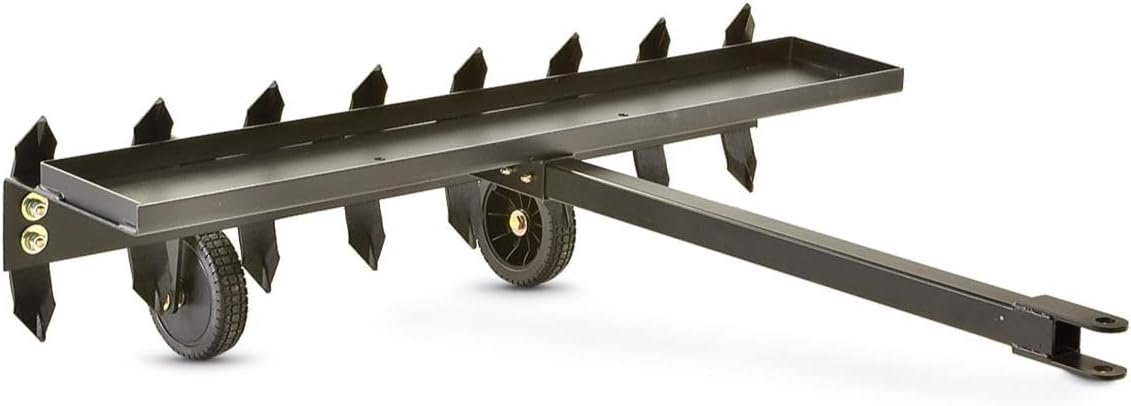 Guide Gear 48 in Tow-Behind Garden Tractor Plow Attachment9.5/10View on Amazon
- 3
 Eparts Riding Mower Garden Tractor Seat9.4/10View on Amazon
What is the best garden tractor? The best garden tractor is a heavy-duty riding machine built with a cast-iron front axle, a thick steel ladder frame, a ground-engaging transmission, and a rear hitch capable of pulling soil-working implements. Unlike standard lawn tractors made only for mowing grass, a true garden tractor powers through ground-engaging work such as plowing, tilling, hauling heavy earth, and pushing snow. In this guide, we break down how to choose the right machine step by step.
AcreMowerLab earns a commission when you shop through links here. It never changes your price. Affiliate disclosure.
What is the best garden tractor: lawn tractor vs garden tractor
| Tractor Type | Best for | Limitation |
|---|---|---|
| Lawn tractor | Mowing smooth residential turf and towing light yard carts | Light stamped frames and sealed transmissions cannot run ground-engaging implements |
| Garden tractor | Mowing acreage, pulling ground-engaging tillers and plows, and heavy hauling | Heavier build, wider turning circle, and higher investment than a lawn mower |
| Sub-compact tractor | Front-end loader digging, backhoe tasks, and agricultural fieldwork | Large storage footprint and heavy machine weight that can rut damp grass |
| Zero-turn mower | High mowing speed across flat open turf with many landscape obstacles | Reduced traction on slopes and limited ability to pull heavy ground attachments |
Many property owners start by looking at riding mowers or a standard best riding lawn tractor, only to discover that light mowers struggle when pulling ground-engaging attachments. For larger acreage, our guide on the best sub compact tractor explores machines with diesel power and heavy hitches. If your primary goal is heavy work on property grounds, explore who makes the best garden tractor across equipment brands.
Step 2: inspect the transmission and drive system
The transaxle is the defining component that separates a garden tractor from a lawn mower. Entry-level lawn mowers rely on light sealed hydrostatic units designed only to spin cutting blades and move the machine over flat grass. Subjecting a light transaxle to ground-engaging tillers, moldboard plows, or heavy towing creates excessive heat that breaks down internal oil and damages hydraulic pumps. For troubleshooting drive slip, see our guide on how to fix hydrostatic drive on riding mower systems.
A true garden tractor uses a heavy-duty hydrostatic transmission or gear-drive unit with serviceable fluid filters, external cooling fins, and high axle torque. Many models feature differential locks that lock both rear wheels together to maintain traction when pulling through damp soil, mud, or snow.
Step 3: evaluate the frame, front axle, and wheels
Ground-engaging implements put twisting stress through the entire chassis. While light lawn mowers use stamped sheet-metal frames, a garden tractor uses a heavy welded steel channel or full ladder frame designed to resist flex under drawbar pull. The front axle should be solid cast iron rather than stamped steel, equipped with grease fittings for long bushing life.
Garden tractors also carry larger rear wheels and wider tires to transfer axle torque to the soil without spinning. Larger diameter tires roll smoothly across ruts and provide ground clearance over uneven ground. Check our overview of garden tractors and replacement parts in our lawn tractor parts guide.
Step 4: check hitch types and ground-engaging implements
A standard lawn tractor features a flat stamped steel drawbar hitch intended only for pin-hitch accessories like light spreaders or lawn sweepers. In contrast, a garden tractor supports active ground-engaging hitches, such as a manual or electric sleeve hitch and an integral rear implement lift.
These hitches allow you to mount cultivating equipment: rear-tine rotary tillers, box blades, grader blades, moldboard plows, and disc harrows. For hauling soil, gravel, and firewood, see our review of the best pull behind dump cart.
Listing data provides clear examples of hauling equipment built for tractor work. Agri-Fab lists a steel utility dump cart with a 750 lb load capacity and a 12 cu ft bed rolling on 16 in by 4 in pneumatic tires, supported by a 3-year limited warranty. For larger cleanup tasks, VEVOR lists a poly dump trailer with a 1500 lb load capacity and 13 in wheels. VIVOHOME lists a utility cart with a 660 lb capacity and a 4 cu ft bed on 10 in wheels with a 1 year warranty. FORGLO lists a convertible trailer with a 660 lb capacity, a 10 cu ft cargo bed, 18-inch pneumatic tires, and a 90 degree dump angle. For front-end loading and dumping from the seat, Swisher lists a universal dump bucket built from 14 and 7 gauge steel with a 250 pound capacity. Compare options in our guide to a utility trailer for riding lawn mower setup.
Step 5: match the tractor to your property size and chores
To determine the best machine for your property, list the tasks you perform throughout the year. If your workload consists entirely of cutting grass on smooth turf, a garden tractor is heavier and less agile than a zero-turn or lawn mower. However, if your chores include grading a long gravel driveway, clearing garden rows, moving mulch and rock, or plowing winter snow drifts, a garden tractor provides the versatile drawbar power you need. Review our roundup of the best riding mower with attachments to see how implements pair with various tractor platforms.
Choosing between gas and battery power
Most heavy garden tractors on acreage properties use gas engines that deliver steady torque for both mowing and pulling implements. Gas engines provide continuous runtime simply by refueling, which is essential when plowing snow or cultivating extensive acreage. Electric garden tractors with lithium battery packs are growing in availability, offering push-button starting, lower running noise, and zero fuel storage. However, battery runtimes drop faster under heavy ground-engaging loads than during light mowing passes.
Mower deck build and cutting performance
Although pulling implements is the core purpose of a garden tractor, mowing performance remains a frequent task. Look for a heavy fabricated or reinforced stamped steel mower deck with anti-scalp gauge wheels. Thick steel decks withstand accidental contact with hidden rocks, tree roots, and rough terrain without bending. Easy deck-leveling adjustments and a wide height-of-cut range ensure clean turf cutting across varying grass species and uneven pasture lawns.
Long-term maintenance and serviceability
A garden tractor represents a long-term property investment that should run reliably for decades when properly maintained. Unlike sealed entry-level mowers that are discarded when a drive unit wears out, quality garden tractors feature fully serviceable components. Look for engines with spin-on oil filters and accessible spark plugs, transaxles with drain plugs and replaceable hydraulic filters, and grease zerks on all steering spindles and deck mandrels. Regular service keeps hydraulic pumps cool and protects internal gears under sustained drawbar stress.
Mind the terrain, slopes, and soil conditions
Slopes and damp soil demand careful attention when operating a heavy garden tractor. While garden tractors offer superior hill stability compared to zero-turn mowers due to their low center of gravity and front-steer control, steep slopes require caution. Always check your equipment manual for the maker’s maximum operating slope and never exceed it. For hilly parcels, consult our guide to the best riding mower for hills. Adding wheel weights or filling rear tires with non-freezing liquid ballast improves traction and prevents wheel spin when pulling uphill or pushing snow.
Safety
Operating heavy garden tractors and ground implements requires strict attention to operating rules. Never exceed the maker’s stated maximum slope rating, as steep grades cause rollovers or loss of braking. Zero-turn mowers and tractors can lose traction on slopes, wet turf, and near steep drop-offs, ponds, or drainage ditches. If your tractor features a roll-over protective structure, keep the structure upright and fasten your seat belt. Never carry passengers, especially children, and ensure children and pets remain completely out of the operating yard. Always disengage cutting blades and PTO implements before shifting into reverse. Wear eye and hearing protection, and walk work areas to clear sticks, stones, and hidden wire before mowing or tilling. Refuel gasoline equipment only when the engine is switched off and thoroughly cool to avoid vapor ignition. See our Safety Disclaimer.
FAQ: mowing large lots
What is the difference between a lawn tractor and a garden tractor?
A lawn tractor is designed primarily for cutting grass and pulling lightweight lawn sweepers on flat ground, using a light stamped frame and sealed transaxle. A garden tractor features a heavier welded frame, a heavy-duty serviceable transaxle, larger tires, and the ability to mount ground-engaging equipment such as plows, tillers, and disc harrows.
Can a garden tractor plow a garden?
Yes. With a rear sleeve hitch or implement lift, a garden tractor can pull a moldboard plow, a middle buster, or a cultivator through garden soil. Proper rear tire traction and wheel weights help transfer drawbar force without spinning.
Is a garden tractor better than a zero-turn mower?
A zero-turn mower cuts grass faster around obstacles and on flat open turf. A garden tractor is far more versatile, handling towing, dirt work, grading, snow plowing, and slope mowing where zero-turn steering levers can lose traction.
What hitch does a garden tractor use?
Garden tractors typically use a sleeve hitch, a pin-drawbar hitch, or an integral implement lift. A sleeve hitch uses a single pin that accepts heavy ground-engaging attachments like tillers, box blades, and rear cultivators.
Do I need a garden tractor or a sub-compact tractor?
A garden tractor handles mowing, garden tilling, heavy yard cart hauling, and snow clearing on acreage. If you need a hydraulic front-end loader bucket to dig dirt, a backhoe, or agricultural implements, a sub-compact tractor is the better machine.
More mowing guides
- Who Makes the Best Garden Tractor?
- Best Riding Mower with Attachments (2026): 3 Top Picks Compared
- Best Riding Mower for Hills: 4 Picks and How to Read Slope Ratings
Use the Mower Matcher to narrow down choices by acreage, terrain, budget, and power type.