Is a Mulching Kit Worth It?
A guide to deciding whether a mulching kit is worth it for your mower, property size, turf density, and seasonal yard cleanup.

On this page
Top picks at a glance
As an Amazon Associate I earn from qualifying purchases.
- 1
 MaxPower 561738XB 54 in Commercial Mulching Blade Set9.6/10View on Amazon
- 2
 21 inch Mower Mulching Blade for Troy Bilt 942-0741A TB1309.5/10View on Amazon
- 3
 GICOOL GY20850 42 in Mulching Blades for John Deere9.5/10View on Amazon
- 4
 Husqvarna 48" Mulching KitView on Amazon
- 5
 CUB CADET 19B30054100 Xtreme 42" Mulching Kit 19A30054100View on Amazon
Maintaining open acreage with rolling turf, ditch banks, and thick pasture grass means managing heavy clipping volume every week. Deciding whether is a mulching kit worth it comes down to mowing habits, deck power, and property expectations: yes, a mulching kit is worth the investment if you cut regularly, want clean turf without bagging, and prefer returning organic nitrogen back to the soil, but it becomes frustrating if you cut wet pasture, mow irregularly, or tackle overgrown brush where side discharge remains superior. This guide explains how mulching setups work, what tradeoffs they bring, and how to choose the right deck configuration for your land.
Other machines to compare
 Husqvarna 48" Mulching KitCheck price on Amazon
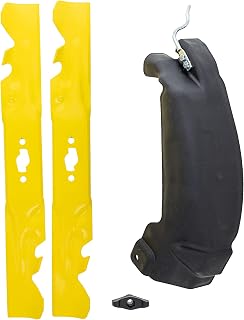 CUB CADET 19B30054100 Xtreme 42" Mulching Kit 19A30054100Check price on Amazon
AcreMowerLab earns a commission when you shop through links here. It never changes your price. Affiliate disclosure.
Is a mulching kit worth it: pick the right mower setup
| Setup | Best for | Limit |
|---|---|---|
| Mulching kit | Regular mowing on maintained turf and light leaf fall | Slows cutting speed in dense, wet grass and requires frequent deck cleaning |
| Side discharge | Overgrown pastures, tall weeds, damp grass, and clearing fields | Leaves visible windrows of clippings that can smother fine turf |
| Bagger attachment | Collecting clippings around pools, garden beds, and manicured lawns | Adds weight, requires stopping to empty hoppers, and removes soil nutrients |
| Standard discharge with mulching blades | Moderate grass growth without installing full deck baffle plugs | Less clipping reduction than a sealed deck cavity |
Most property owners run side discharge for rough perimeter fields and switch to mulching for the primary lawn around the house. See our guide to the best lawn mower blades for mulching to understand how blade lift and cutting edges affect deck performance.
Step: evaluate your turf type and mowing frequency
A mulching kit transforms how a mower deck processes grass. Standard discharge decks sever grass blades and immediately blow clippings out the side chute. A mulching kit seals that discharge opening with a molded plug or steel baffle, creating separate cutting chambers beneath the deck housing.
Inside these enclosed chambers, mulching blades generate circulating airflow that lifts grass upright, slices it into fine particles, and drives the shredded mulch down between standing turf blades to the soil. This process requires a steady mowing schedule. Mulching works best when cutting only a modest portion off the top of standing grass. If rain delays mowing and grass grows tall, excess volume overwhelms the deck, bogging the engine and dropping wet clumps across the lawn. Property owners who cannot mow frequently often find side discharge more dependable.
Step: inspect deck clearance and engine power
Recutting grass repeatedly inside an enclosed housing demands substantial engine torque. When a mower discharges clippings out the side, air and clippings exit immediately with minimal backpressure. Sealing the deck creates internal drag as blades continuously churn recirculating air and grass.
Mowers with larger engines handle this extra load easily, whereas smaller engines can bog down in lush growth. If engine speed drops, blade tip velocity slows, causing blades to tear rather than slice the grass. Deck depth matters as well: deep decks provide generous volume for clippings to tumble through the cutting path, while shallow decks pack with green buildup much faster.
Keeping the underside of the cutting deck clean is essential because grass buildup prevents the circular airflow mulching relies upon. Read our guide on how to clean a mower deck for practical steps on scraping and maintaining deck cavities.
Step: examine blade options and airflow
A mulching kit relies on specialized blade geometry. Standard blades focus on lift and discharge: high-lift designs blow material far out the chute, while low-lift blades minimize dust on sandy ground. Neither design shreds clippings effectively inside a baffled chamber.
Mulching blades feature extended cutting edges and raised rear air vanes. These vanes create upward lift for a clean initial cut, push clippings into the upper deck dome, and redirect them downward into the spinning blade path for repeated recutting. Because these blades impact plant fibers continuously, their edges dull quicker than standard blades. Dull blades batter grass tips rather than cutting cleanly, increasing engine strain and leaving frayed brown lawn tips.
Review our recommendations on how often should you sharpen mower blades and inspect our picks for the best mower blade sharpener to keep edges clean without removing excessive blade metal.
Step: balance clipping management and yard cleanup
Evaluating clipping management highlights the main advantage of a mulching setup. Side discharge throws clippings outward in visible windrows that can smother turf and look messy around a home. Bagging produces tidy results, but emptying heavy hoppers wastes mowing time and permanently strips valuable nutrients from your acreage.
Mulching strikes a practical balance. Finely shredded clippings decompose rapidly into the soil surface, returning organic nitrogen, potassium, and moisture directly to turf roots. This recycling feeds your lawn naturally and cuts down on supplemental feeding. When autumn arrives, mulching kits also pulverize fallen deciduous leaves into tiny flakes that sift into the lawn canopy. We compare cleanup approaches in our guide on whether it is better to mulch or bag leaves on large properties.
Match the mower deck to your property layout
Property layout strongly influences whether mulching is worth it. On rural acreage with landscaped yards, gravel driveways, garden beds, and outbuildings, side discharge can be a hazard. Discharging outward blasts rocks, sticks, and wet grass into flowerbeds, walkways, and against siding or vehicles, demanding tedious cleanup passes with a blower afterward.
A mulching kit contains all clippings and debris beneath the deck skirt. You can trim tight along fences, beds, and walls from either side of the mower without blowing debris into unwanted areas. On wide open acreage without obstacles, side discharge allows quicker forward travel, but around home grounds, mulching containment saves substantial cleanup effort.
Deck width also influences mulching efficiency. Larger decks move greater volumes of air and clippings, which makes proper baffle fit critical. Check our breakdown of what mower deck sizes mean to understand deck volume and airflow dynamics across different cutting widths.
Evaluate fuel consumption and engine load
Mulching changes mower performance and operating pace. Because the powertrain constantly turns blades through a dense cloud of recirculating grass, fuel consumption rises compared to side discharge mowing. On battery-powered electric mowers, this extra resistance noticeably reduces runtime per charge.
Ground speed also requires moderation. Driving too fast outpaces the deck’s ability to recut clippings, leaving straggling grass and heavy clumping behind the mower. Operators must run engines at full throttle while driving at a deliberate pace. For acreage owners with large pastures, mulching the entire property takes longer than side discharge. Many owners mulch the manicured lawn near the house and switch to side discharge for rough outer pastures.
Plan around seasonal changes and leaf fall
Seasonal weather dictates mulching success. Fast spring growth combined with wet soil makes mulching challenging. Wet grass paste coats deck walls and drops clumps unless you mow frequently on high deck settings. During summer dry spells, mulching performs at its peak: dry clippings shred into fine dust without sticking, providing a protective layer that helps turf soil retain moisture.
In autumn, mulching kits double as leaf cleanup tools. Passing over fallen leaves chops foliage into micro-particles that nourish soil organisms, eliminating the need to rake or burn. While heavy, wet leaf blankets may still require raking or blowing, routine autumn leaf fall is recycled directly into your lawn.
Mind wet grass and rough terrain
Moisture is the primary enemy of mulching decks. Mowing damp morning turf or cutting right after rain causes shredded grass to become a sticky paste. This buildup chokes baffle channels, unbalances blades, and drops soggy thatch across your lawn. Whenever possible, wait until sun dries the grass before mulching.
Rough terrain also calls for care. Hidden rocks, stumps, and roots are dangerous inside an enclosed deck. In an open discharge deck, an impacted object can exit the chute. Inside a mulching deck, the baffle traps debris, causing objects to ricochet violently between blades and housing, risking bent blades or damaged spindles.
Uneven terrain and bent blades can also result in streaking. If your mower leaves uncut rows behind each pass, read our guide on why does my riding mower leave strips of grass to diagnose leveling and airflow issues.
Safety
Before installing, adjusting, or cleaning a mulching plug, baffles, or blades, always park the mower on level ground, engage the parking brake, shut off the engine, remove the ignition key, and disconnect the spark plug wire or battery pack to prevent accidental starting. Mower blades can cause severe injury if moved while the engine is capable of firing.
Wear thick leather work gloves whenever handling blades. Use a sturdy wooden block wedged between the blade and deck wall to hold the cutting edge stationary while loosening or torquing spindle hardware. On slopes, observe your mower’s maximum slope rating, avoid mowing damp hills, and keep children, pets, and bystanders away from the work area. Always wear eye and hearing protection during operation and maintenance.
FAQ: mowing large lots
Does a mulching kit hurt mower engine performance?
A mulching kit does not harm the engine when operated properly, but it places greater continuous load on the motor because blades chop grass repeatedly inside a closed deck. Operating at full throttle, keeping blades sharp, and moderating ground speed in dense grass prevents engine bogging.
Can a mulching kit handle tall or overgrown grass?
Mulching kits struggle in overgrown grass because excessive volume overwhelms the sealed deck chambers. If grass has grown tall after rain, remove the mulch plug to side discharge the initial cut on a high deck setting, then reinstall the plug for regular maintenance cuts.
How often do mulching blades need sharpening?
Mulching blades require sharpening more often than standard discharge blades because cutting edges impact clippings repeatedly. Inspect blades regularly, and sharpen whenever cutting edges appear rounded or when grass tips show frayed, brown edges after mowing.
Is a mulching kit better than side discharge?
Mulching is superior for finished lawns where you want tidy turf without clipping rows, blown debris on driveways, or bagged waste piles. Side discharge is superior for acreage pastures, damp growth, tough weeds, and clearing rough ground where cutting speed and debris clearance matter most.
Can you mulch fallen leaves with a mulching kit?
Yes, mulching kits chop dry deciduous leaves into tiny flecks that settle into the grass canopy and decompose into natural soil mulch. For heavy leaf blankets, mow slowly over dry leaves on a raised deck setting so the blades can pulverize foliage without bogging down.
More mowing guides
- Best Lawn Mower Blades for Mulching (2026): 5 Top Picks Compared
- Best Mower Blade Sharpener: 4 Picks for Riders and Large Lawns
- How Often Should You Sharpen Mower Blades?
- How to Clean a Mower Deck
Explore our mower maintenance section for more guides on deck care, blade selection, spindle upkeep, and seasonal equipment storage.